Baltimore/Washington International Thurgood Marshall Airport
Facts on BWI
BWI's letters weren't its first code: as Friendship Airport it was assigned BAL, and IATA didn't reassign it to BWI until April 20, 1980 -- the BWI code had previously belonged to an airport in Bewani, Papua New Guinea.
Source: Wikipedia
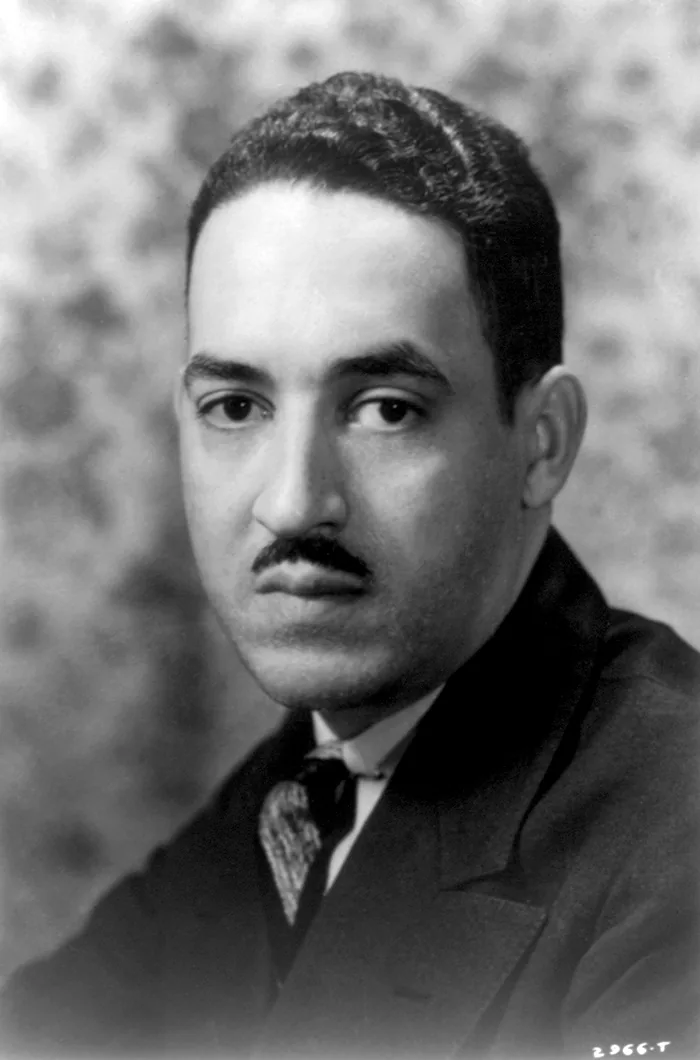
The airport is named for Thurgood Marshall, born in Baltimore in 1908, who argued 32 civil rights cases before the U.S. Supreme Court and won 29 of them, including the 1954 Brown v. Board of Education, which struck down 'separate but equal' in public schools. In 1967 he became the Court's first African American justice.
Source: Wikipedia
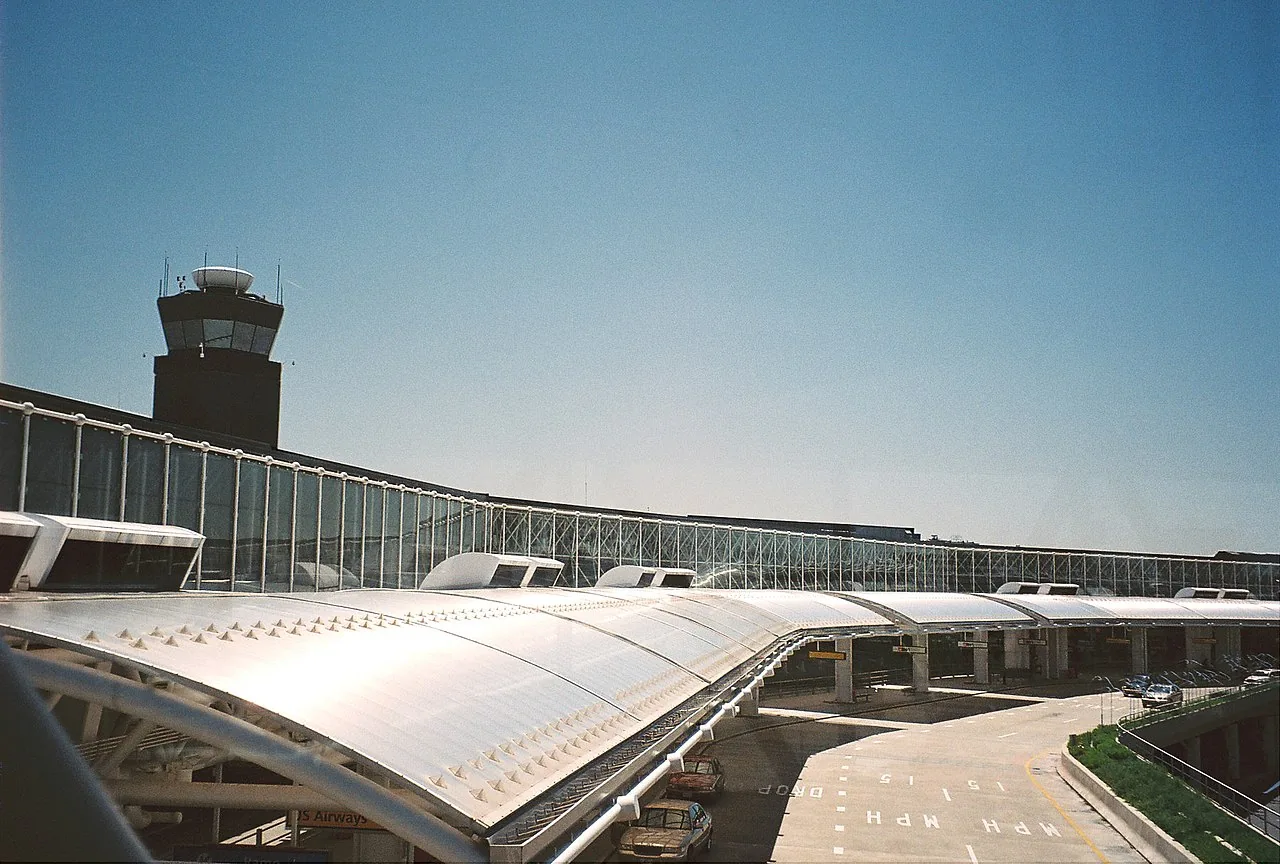
The airport, which opened in 1950 as Friendship International Airport and became Baltimore/Washington International in 1973, added Thurgood Marshall's name on October 1, 2005, honoring the Baltimore-born Supreme Court justice alongside the region the airport already served.
Source: Wikipedia
The airport's land was bought from Friendship Methodist Church in 1946; the church held its last service on Easter Sunday 1948 and was razed for construction, and 170 bodies from a cemetery on the property had to be relocated to make way for the runways.
Source: Wikipedia
President Harry Truman dedicated Friendship International Airport on June 24, 1950, arriving aboard a Douglas DC-6 from nearby Washington National. About a month later, on July 23, Eastern Air Lines flew the airport's first scheduled arrival and departure -- the same DC-3 did both, seven minutes apart -- watched by 300 spectators.
Source: Wikipedia
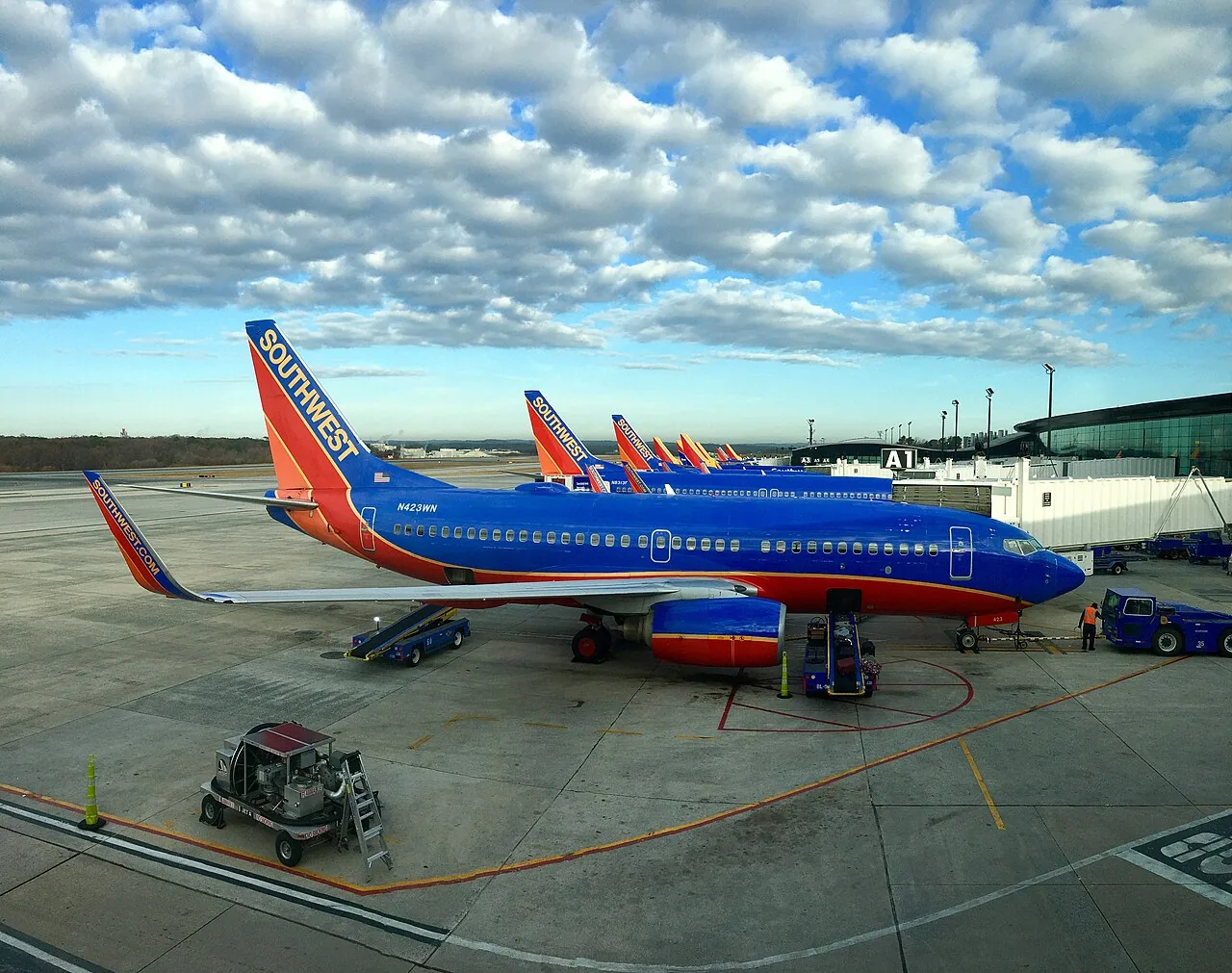
Southwest Airlines dominates BWI, having accounted for 56.12% of the airport's passengers in 2011; it still averages about 245 daily departures from BWI to destinations across the U.S., Mexico and the Caribbean.
Source: Wikipedia
BWI's general-aviation runway, 15L/33R, was originally just 3,199 feet long; it was extended in the first half of the 1990s to its current 5,000 feet so it could handle emergency landings by the Boeing 737, the most common plane at the airport.
Source: Wikipedia
On February 22, 1974, Samuel Byck shot an aviation police officer inside BWI and stormed a Delta flight intending to hijack it and crash it into the White House; he was fatally wounded in a gunfight and killed himself, an episode later dramatized in the 2004 film The Assassination of Richard Nixon.
Source: Wikipedia