Budapest Liszt Ferenc International Airport
Facts on BUD
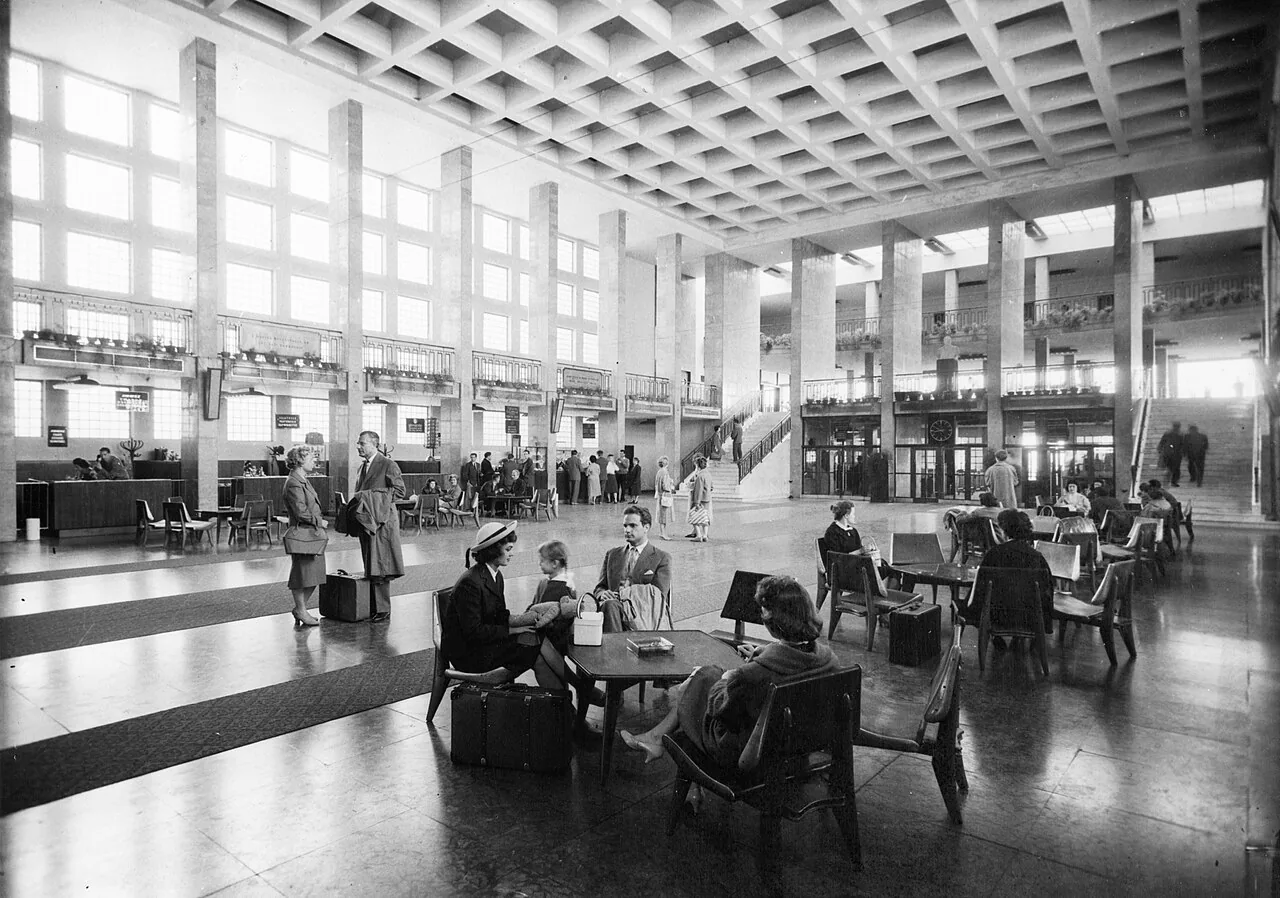
The design chosen in December 1939 was by the modernist architect Károly Dávid Jr., whose terminal building was shaped to look like an aircraft seen from above. Work began in 1942; military buildings went up first for the war, and civil construction stopped at the beginning of 1944.
Source: Wikipedia
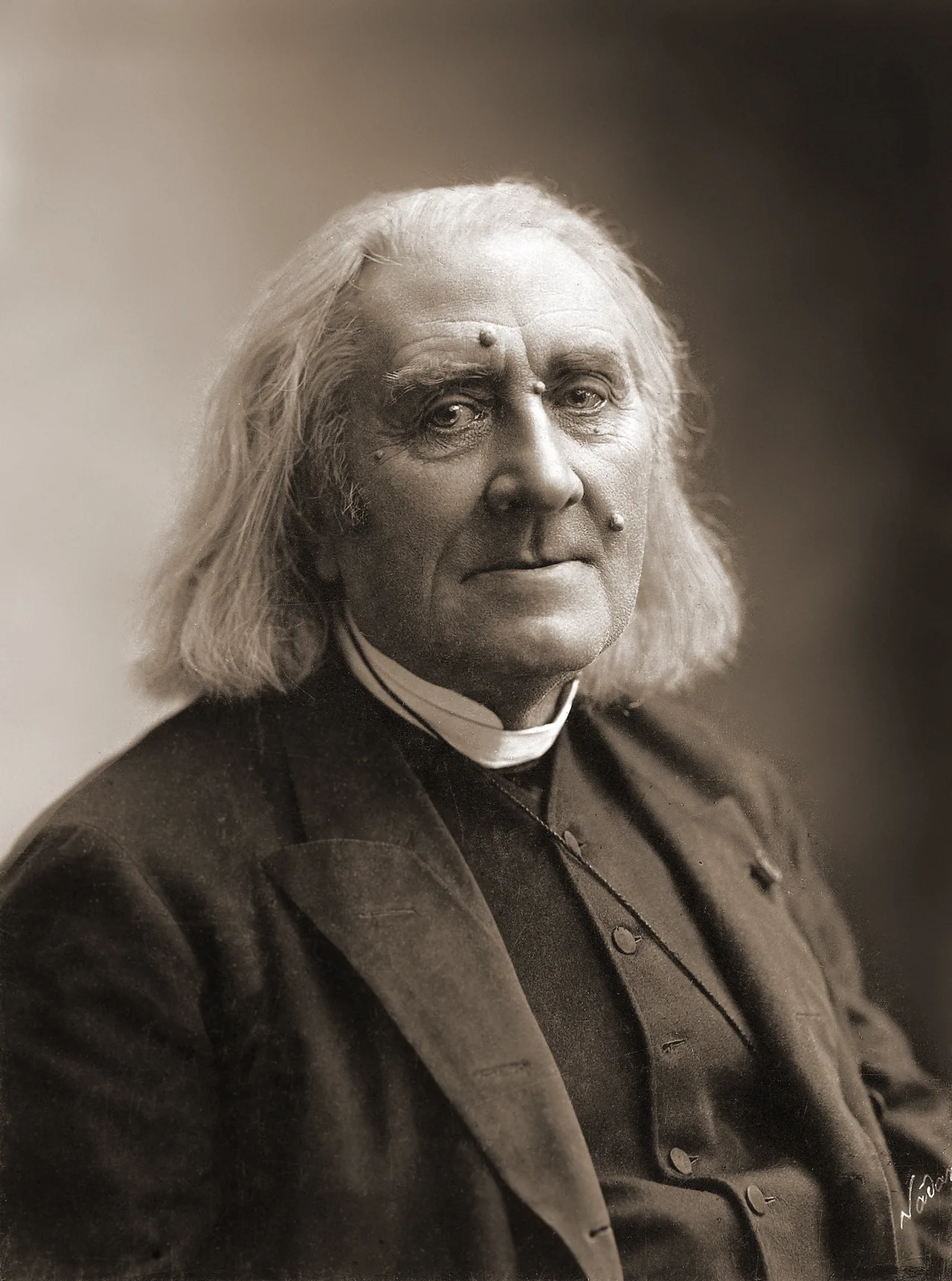
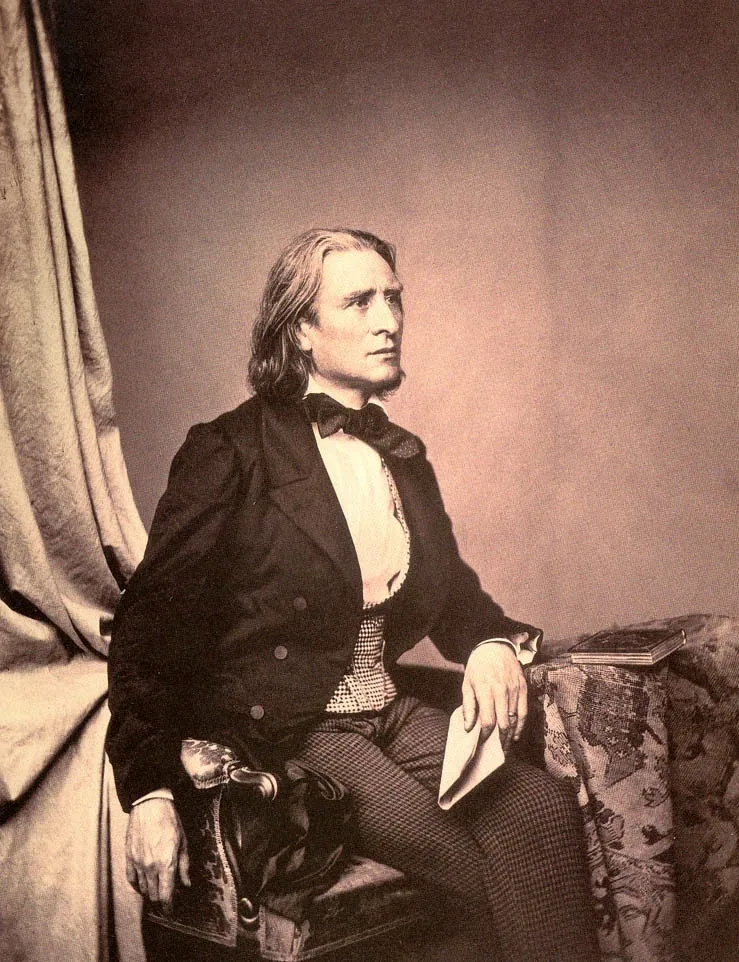
The airport is named for Franz Liszt — Liszt Ferenc in Hungarian — who was born in 1811 in Doborján, then part of the Kingdom of Hungary. A child prodigy taught by Carl Czerny and Antonio Salieri, he became the defining virtuoso pianist of the Romantic era and invented both the symphonic poem and the masterclass.
Source: Wikipedia
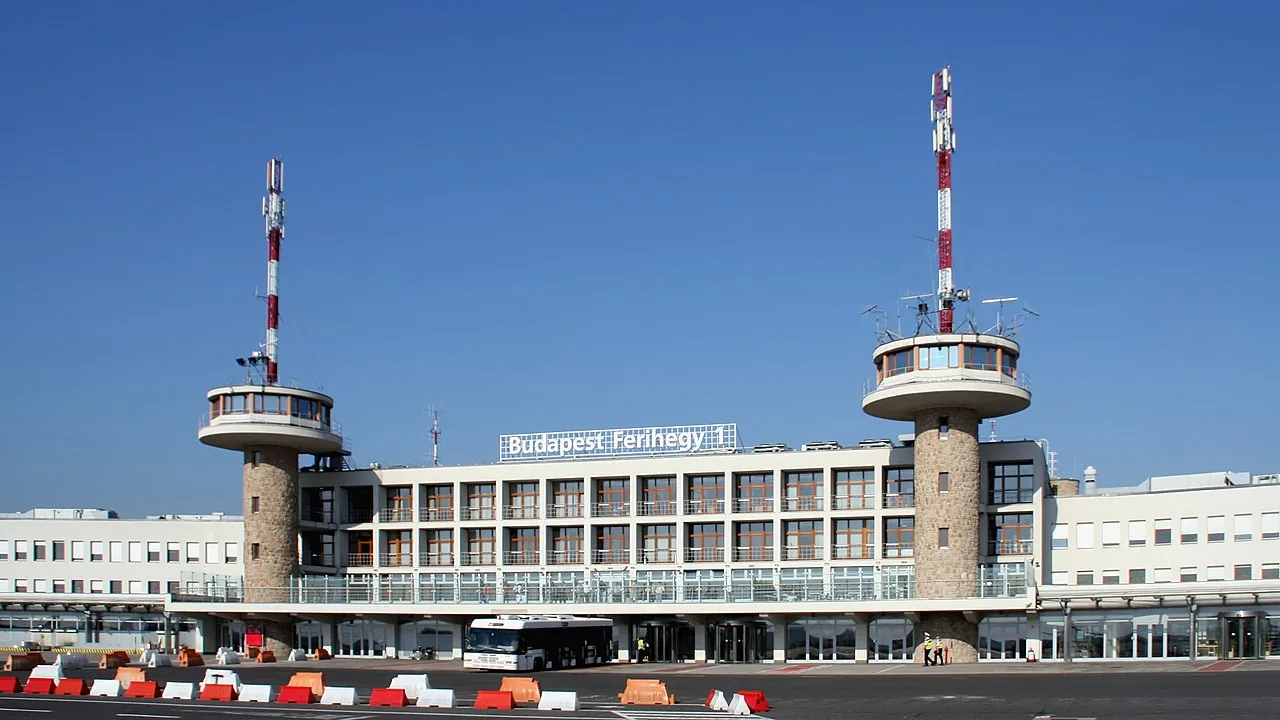
The airport was Budapest Ferihegy until 2011, when it was renamed for the composer on the occasion of his 200th birthday. The official title puts his name the Hungarian way round — Liszt Ferenc — though passengers and locals still commonly call the place Ferihegy.
Source: Wikipedia
Rebuilding for civil aviation was agreed in 1947 with 40 million forints, and the airport opened in May 1950 with sections still unfinished. Its first regular flight to Western Europe was a Malév service to Vienna in the summer of 1956; KLM became the first Western airline to fly in, in 1957.
Source: Wikipedia
Between 1989 and 1991 more than 160,000 Soviet Jewish emigrants passed through Ferihegy on their way to Israel. Direct flights from the Soviet Union were politically impossible until late 1991, so the Jewish Agency and Malév ran charters linking Moscow, Budapest and Tel Aviv.
Source: Wikipedia
Malév Hungarian Airlines went bankrupt on 3 February 2012, taking with it around 1.5 million transfer passengers a year and the revenue from its maintenance base. Ryanair expanded into the gap, and Wizz Air runs its head office from Building 221 on the airport site.
Source: Wikipedia
The airport covers 1,515 hectares (3,744 acres) and has two runways. The second, 3,707 m (12,162 ft) long and parallel to the first, opened in September 1983. In 2024 the airport handled 17.6 million passengers.
Source: Wikipedia
Privatised in December 2005, when BAA paid 464.5 billion forints for a 75% stake and 75 years of operating rights, the airport returned to Hungarian hands in June 2024: the state and Vinci Airports paid €3.1 billion and took on €1.2 billion of net debt, splitting ownership 80/20.
Source: Wikipedia