El Dorado International Airport
Facts on BOG
Though the airport itself is officially named El Dorado, its IATA code, BOG, is drawn from the city it serves, Bogotá, rather than from the airport's own evocative, myth-inspired name.
Source: Wikipedia
Bogotá's airport takes its name from the legendary golden city sought by conquistadors: planners wanted a short, easy-to-pronounce name that would evoke the indigenous Muisca culture of the Bogotá Savannah, and 'El Dorado' was judged the most fitting choice.
Sitting at 2,548 meters (8,360 feet) above sea level, El Dorado is one of the highest-altitude major airports in the world, and it ranks as the second-busiest airport in Latin America after São Paulo–Guarulhos.
In 2012, Colombian law officially extended the airport's name to 'Luis Carlos Galán Sarmiento El Dorado International Airport,' adding a tribute to the assassinated Colombian presidential candidate alongside the original mythical-city name.
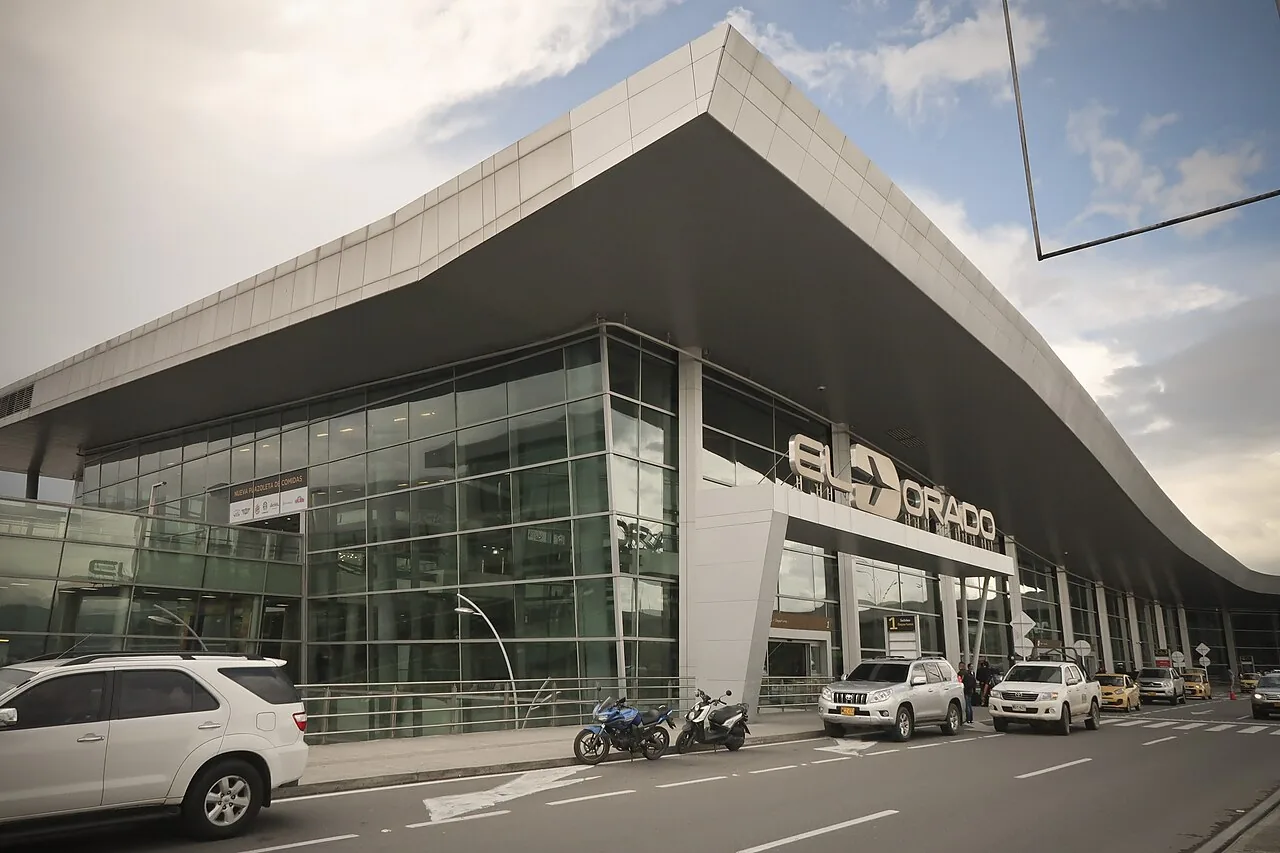
El Dorado was built during the government of General Gustavo Rojas Pinilla, with construction starting in 1955; it entered service in December 1959, replacing Techo International Airport, which had served Bogotá since 1930.
Source: Wikipedia
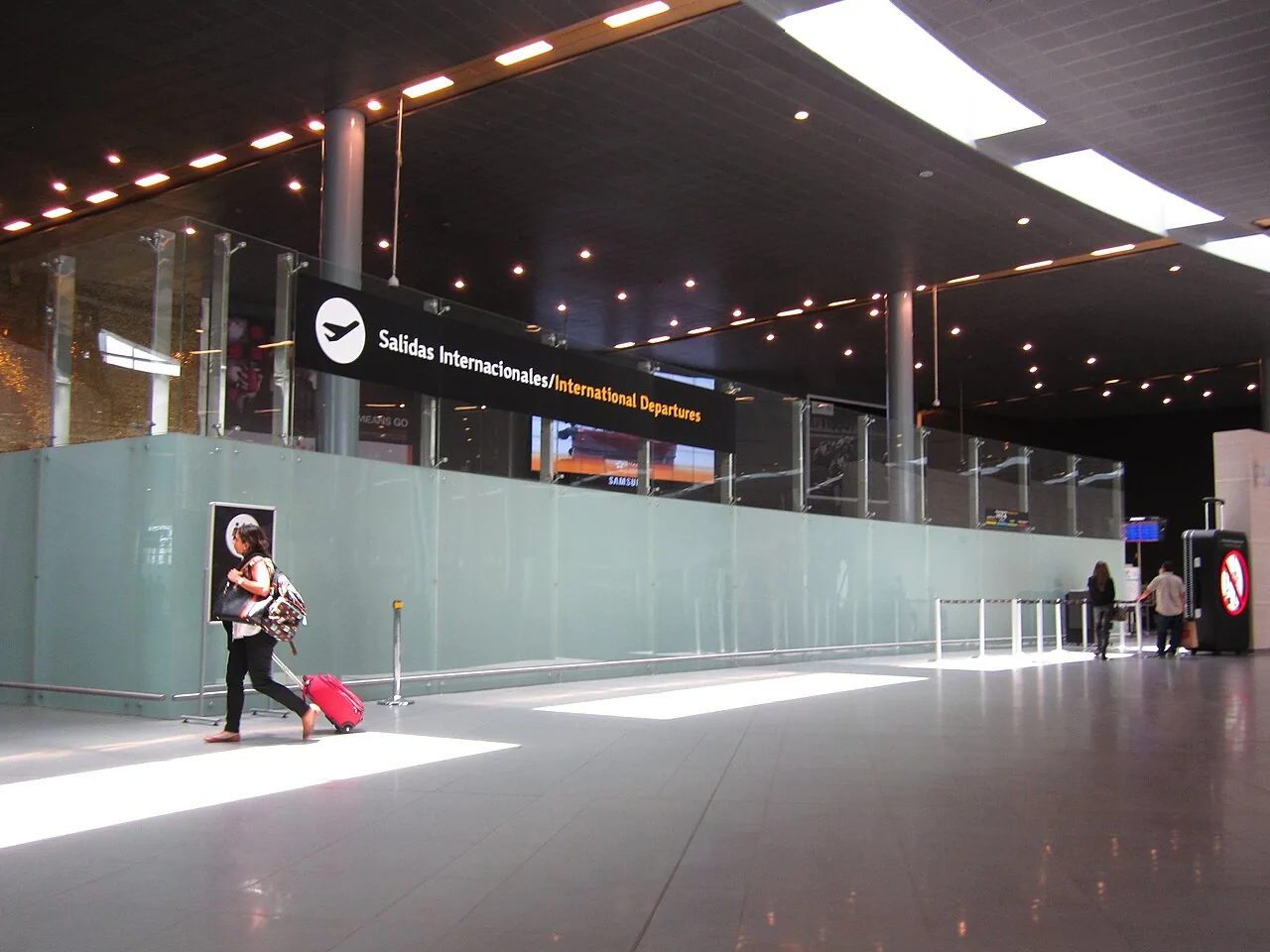
Avianca's Puente Aéreo terminal, built in 1981 for domestic shuttle flights, grew so improvised after a 2006 renovation that walkways to some gates were just floor tiles laid over old tarmac, framed in aluminum with plastic sheeting instead of glass.
Source: Wikipedia
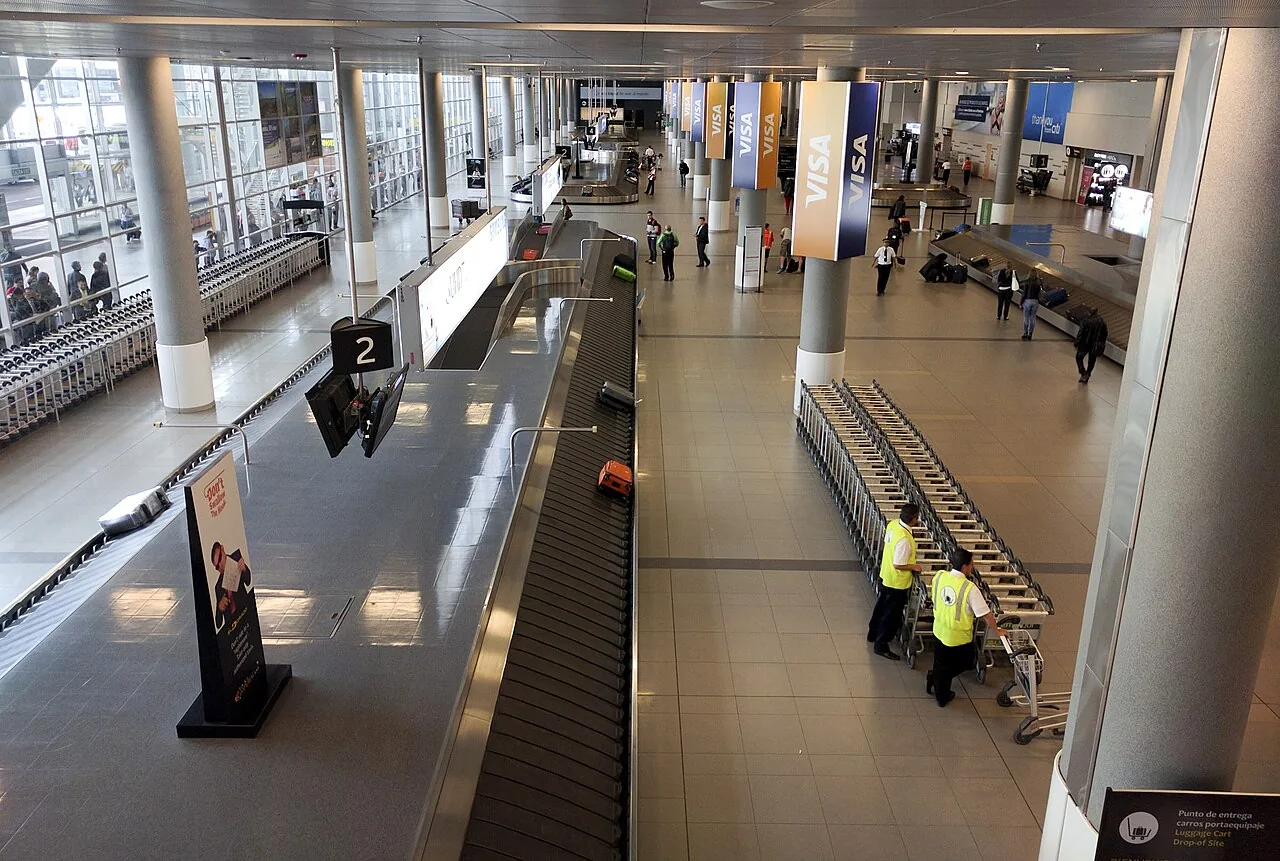
El Dorado covers about 1,700 acres (690 hectares) and operates two runways, each 3,800 metres (12,500 feet) long, infrastructure that lets it handle widebody aircraft on direct routes across the Americas, Europe and the Middle East.
Source: Wikipedia
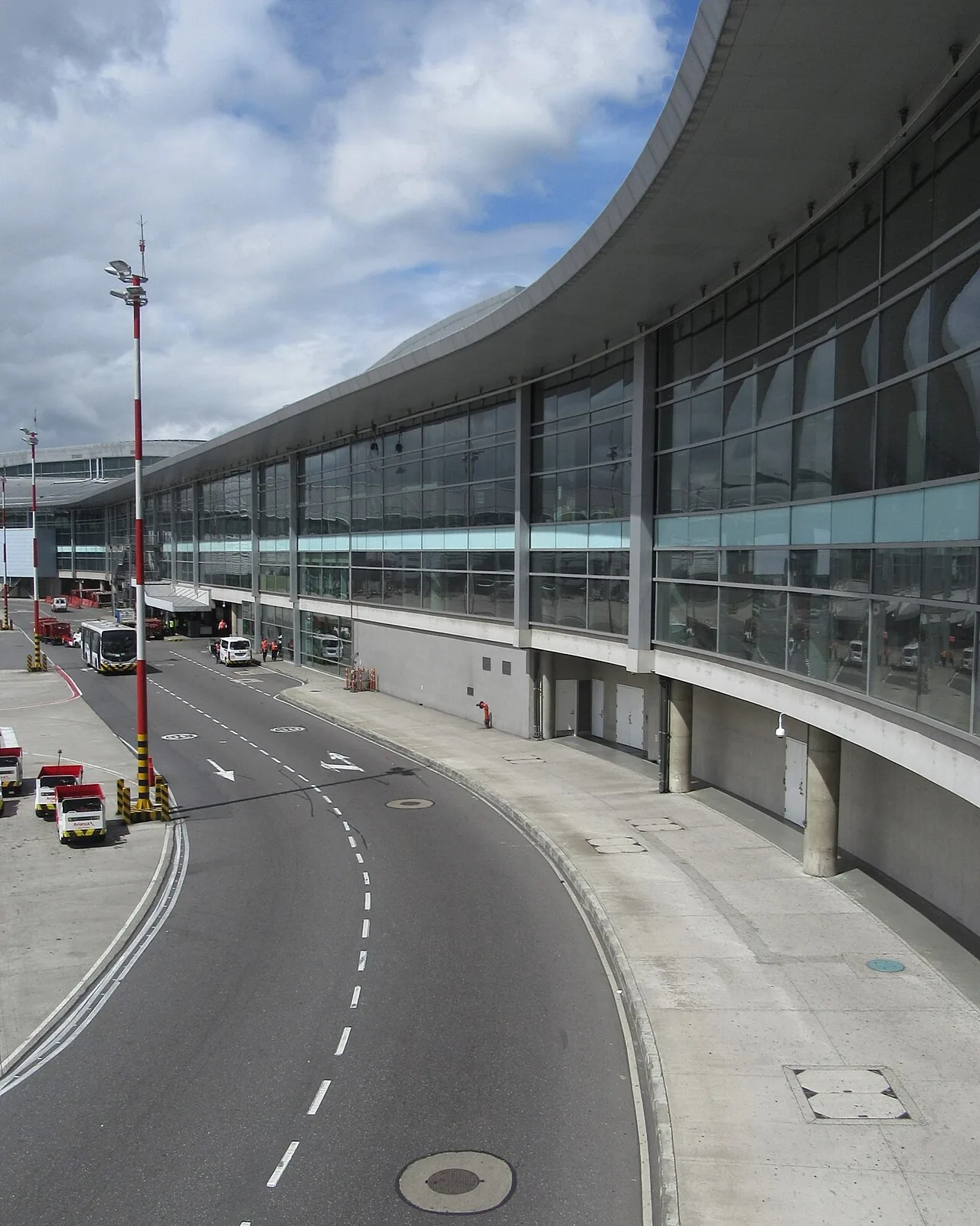
Since 2016, El Dorado has repeatedly ranked among the world's best airports by Skytrax, earning a four-star certification and, in 2022, recognition as the best airport in both South America and Latin America overall.
Source: Wikipedia