Brisbane International Airport
Facts on BNE
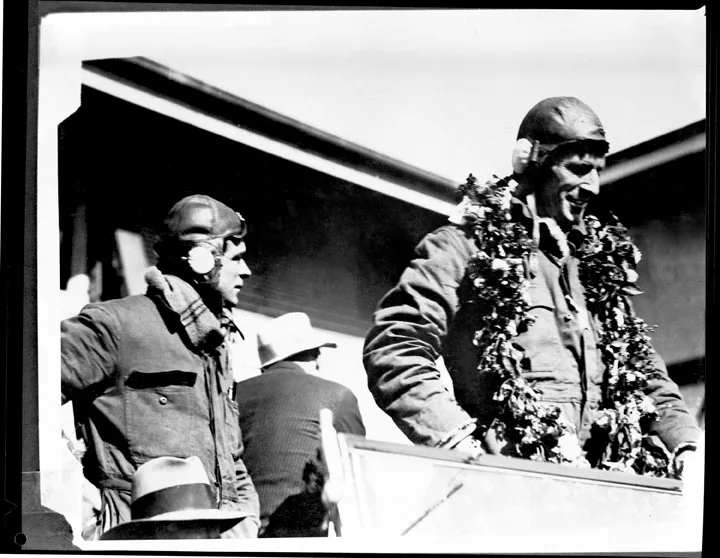
Brisbane's first airport was Eagle Farm, built on farmland in 1925. Charles Kingsford Smith landed his Fokker F.VII, the Southern Cross, there on 9 June 1928 after the first trans-Pacific flight. Its last flight departed on 20 March 1988.
Source: Wikipedia
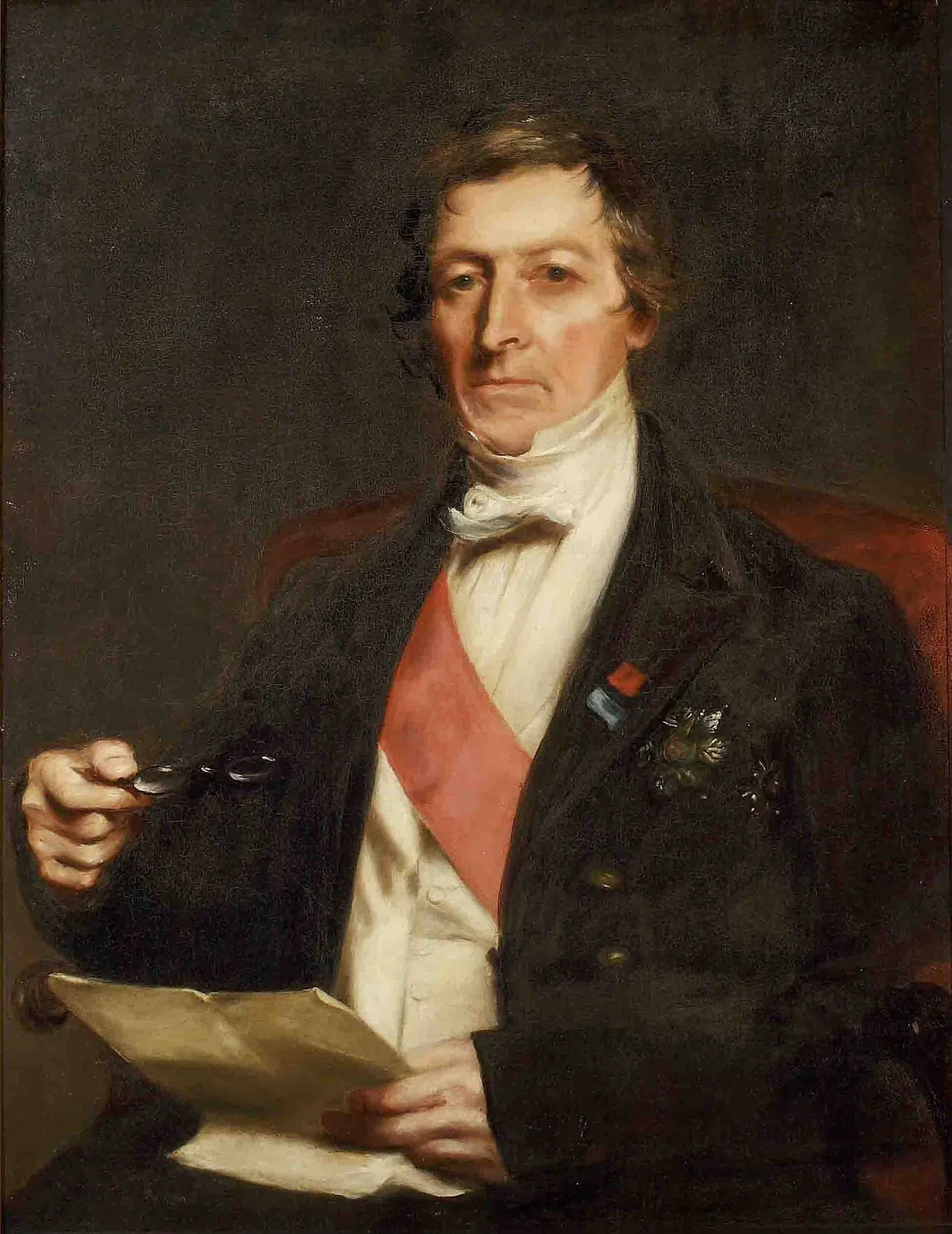
Brisbane honours Sir Thomas Makdougall Brisbane (1773-1860), a Scottish soldier who fought through the Peninsular War, governed New South Wales from 1821 to 1825, and was a serious astronomer who published a catalogue of 7,385 southern-hemisphere stars in 1835.
Source: Wikipedia
The city's name came from a governor: in 1823 Sir Thomas Brisbane sent Lieutenant John Oxley to find a site for repeat-offender convicts. Oxley surveyed a large river running into Moreton Bay and, when Brisbane visited in December 1824, suggested naming it after him. The penal settlement, later the city, took the name too.
Source: Wikipedia
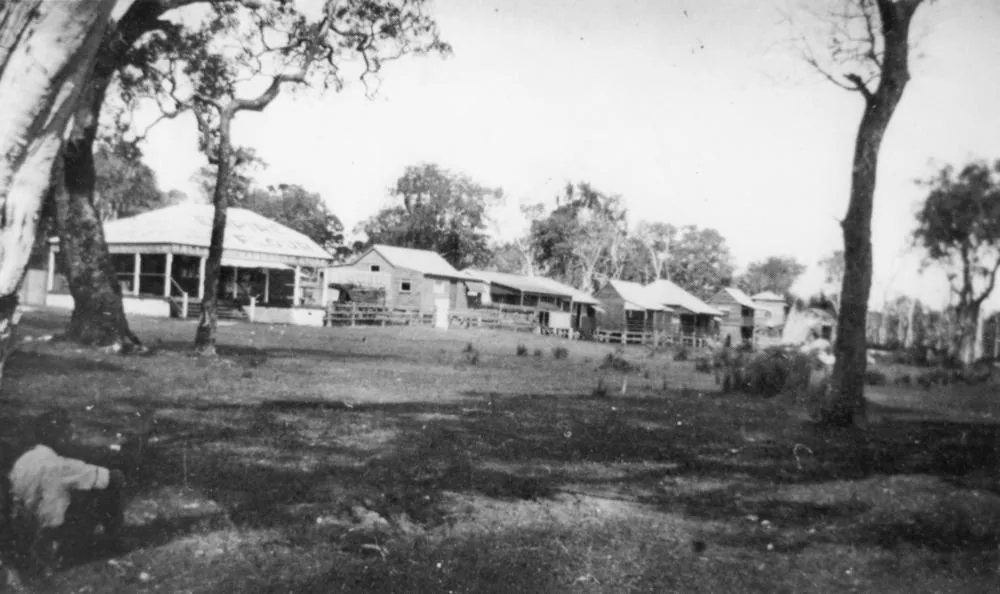
The current airport was built on top of Cribb Island, a Brisbane residential suburb that was demolished to make way for it. Sand pumped from Moreton Bay raised the swampy ground above the tidal range. The airport cost $400 million and opened on 19 March 1988.
Source: Wikipedia
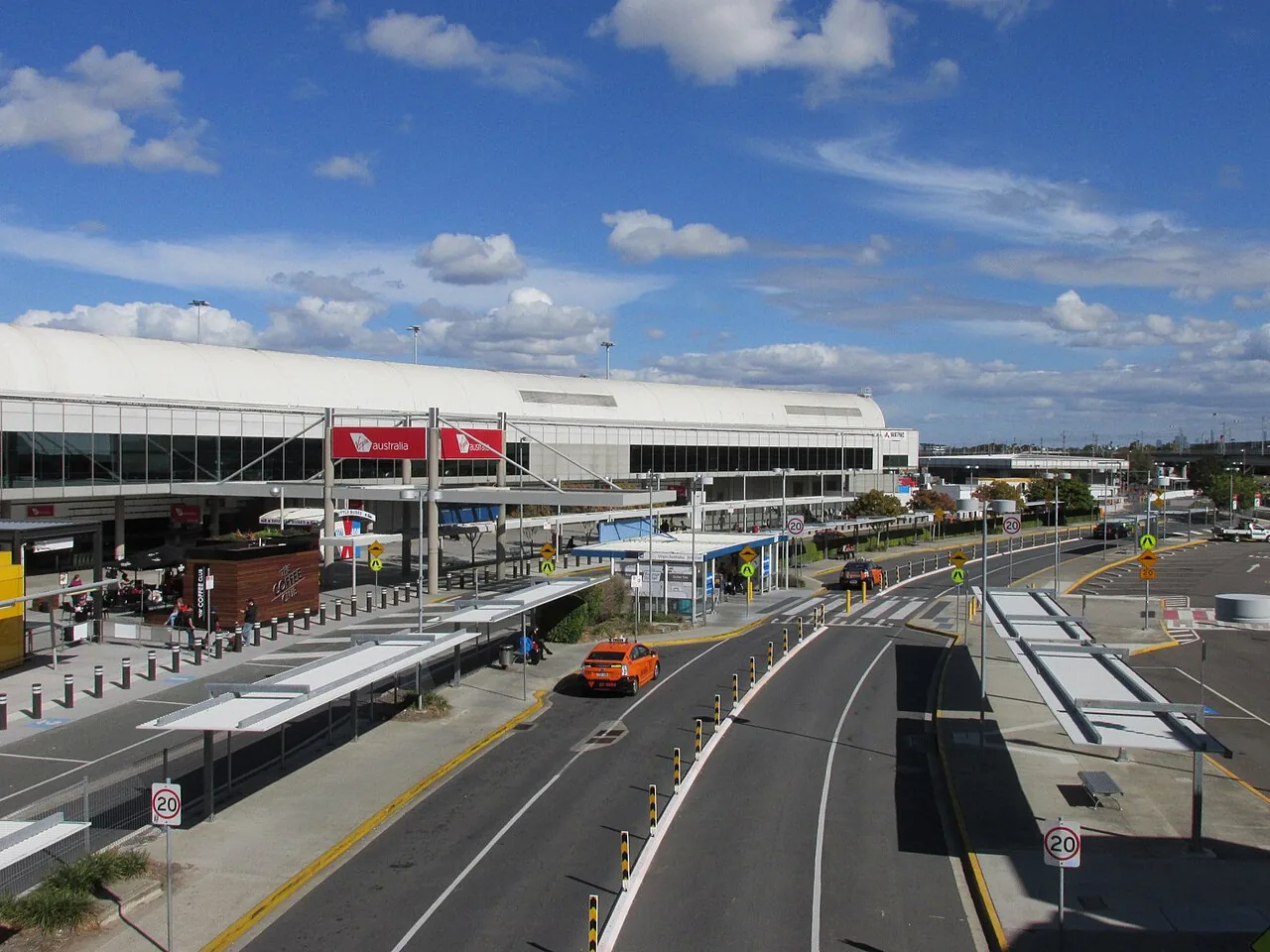
At 2,700 hectares (6,700 acres) Brisbane is one of Australia's largest airports by land area. In 2024 more than 23 million passengers passed through, carried by 31 airlines serving 50 domestic and 29 international destinations.
Source: Wikipedia
The second parallel runway took roughly a decade because the ground had to settle: 11 million cubic metres of sand dredged from Moreton Bay were delivered by December 2014 and then simply left to compact. The 3,300 m runway's first flight was Virgin Australia VA781 to Cairns on 12 July 2020.
Source: Wikipedia
Mud wasps nesting in pitot tubes are a known hazard at Brisbane, so ground staff fit protective covers. In July 2018 a Malaysia Airlines Airbus A330 took off with the covers still in place, lost reliable airspeed indications and had to divert back to the airport.
Source: Wikipedia
Brisbane Centre, the air traffic control facility next to the airport tower, manages the Brisbane flight information region: Queensland, most of the Northern Territory, northern Western Australia and Australian Tasman Sea airspace — about 5 per cent of the world's total airspace.
Source: Wikipedia