Nashville International Airport
Facts on BNA
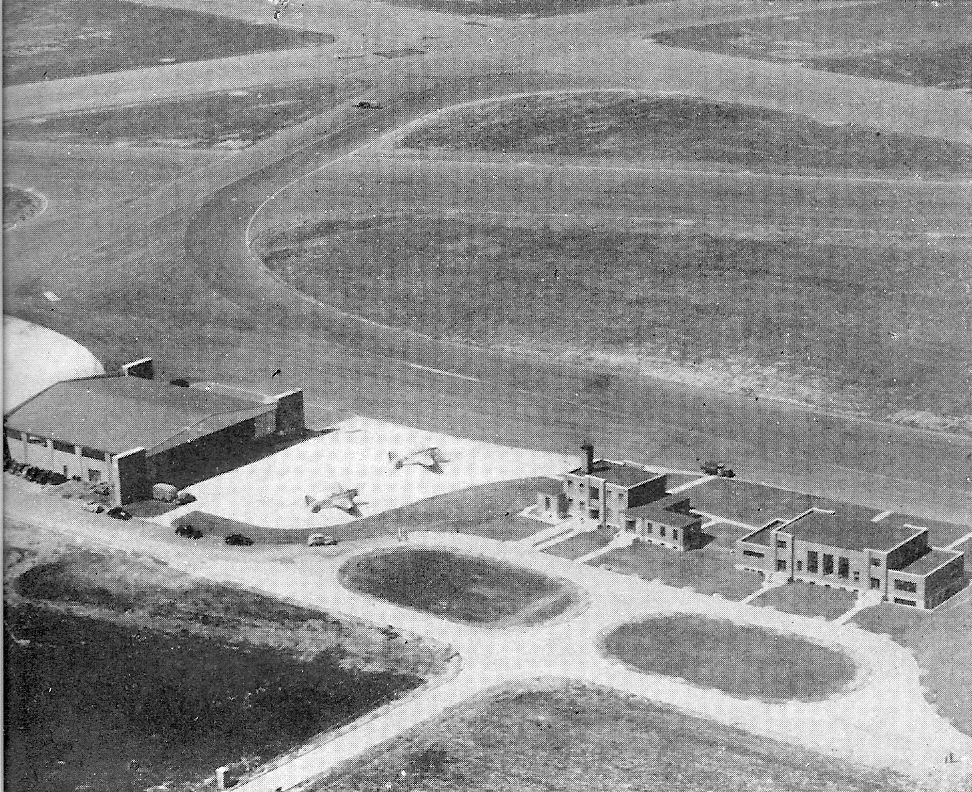
Nashville's IATA code BNA has nothing to do with its current name — it stands for Berry Field Nashville, the airport's original name from 1936, and its on-site military tenants are still commonly known by that name today.
Source: Wikipedia
Berry Field was dedicated on 1 November 1936, one of the first major Works Progress Administration projects in the area, and named for Colonel Harry S. Berry, the WPA's Tennessee administrator, who directed the airport's construction.
Source: Wikipedia
The airport opened to passenger service in June 1937 with a three-story terminal, three asphalt runways and two hangars, built at a cost of $1.2 million. It served 189,000 passengers in its first year.
Source: Wikipedia
In 1962, Nashville became the first municipal airport in the United States to house a public library reading room, after the Nashville Public Library opened a branch inside the terminal.
Source: Wikipedia
American Airlines opened a hub at Nashville in 1986 to compete with Delta and Eastern for north-south traffic in the eastern US. The hub peaked in 1993 with 265 daily departures to 79 cities, including a transatlantic flight to London, before closing in 1995.
Source: Wikipedia
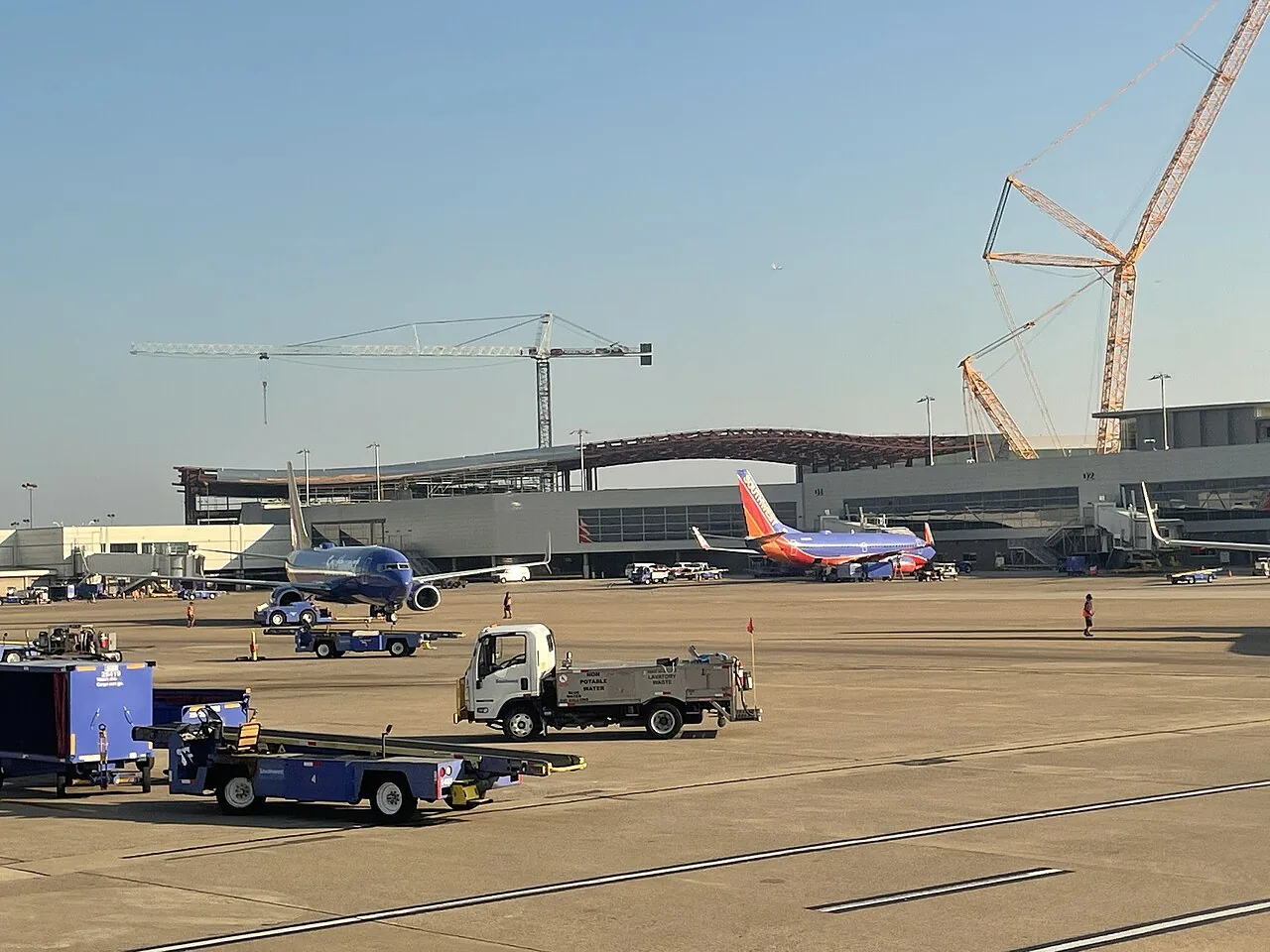
The current terminal, designed by Robert Lamb Hart with Gresham, Smith and Partners, opened in 1987 with three main concourses and a smaller commuter concourse radiating from a distinctive three-story atrium.
Source: Wikipedia
Nashville International covers 4,555 acres with four runways and is the busiest airport in Tennessee, handling more boardings and arrivals than every other airport in the state combined.
Source: Wikipedia
Joint Base Berry Field, home to the Tennessee Air National Guard's 118th Wing and an Army National Guard cavalry squadron, still operates from Nashville International's grounds, preserving the airport's original military namesake.
Source: Wikipedia