Austin Bergstrom International Airport
Facts on AUS
AUS wasn't always Austin's code: while the field operated as an Air Force base it was known as BSM. It only took on the identifier AUS in 1999, inherited from the old Robert Mueller Municipal Airport it replaced, after the FAA refused to delay the transfer or issue Mueller a new code.
Source: Wikipedia
The airport is named for Captain John August Earl Bergstrom, a reservist with the 19th Bombardment Group, who was killed at Clark Field in the Philippines during the initial Japanese air attacks that opened World War II in the Pacific — the first person from Austin to die in the war.
Source: Wikipedia
The airfield built on the site was renamed Bergstrom Field in his honor on 11 November 1943, reportedly at the suggestion of then-Congressman Lyndon B. Johnson. It became Bergstrom Air Force Base in 1948, and after its 1990s closure its runways were converted into today's civilian airport.
Source: Wikipedia
The site began in 1942 as Del Valle Army Air Base, on 3,000 acres the City of Austin leased to the federal government with the stipulation that the land would revert to the city once the military no longer needed it — a promise honored more than five decades later.
Source: Wikipedia
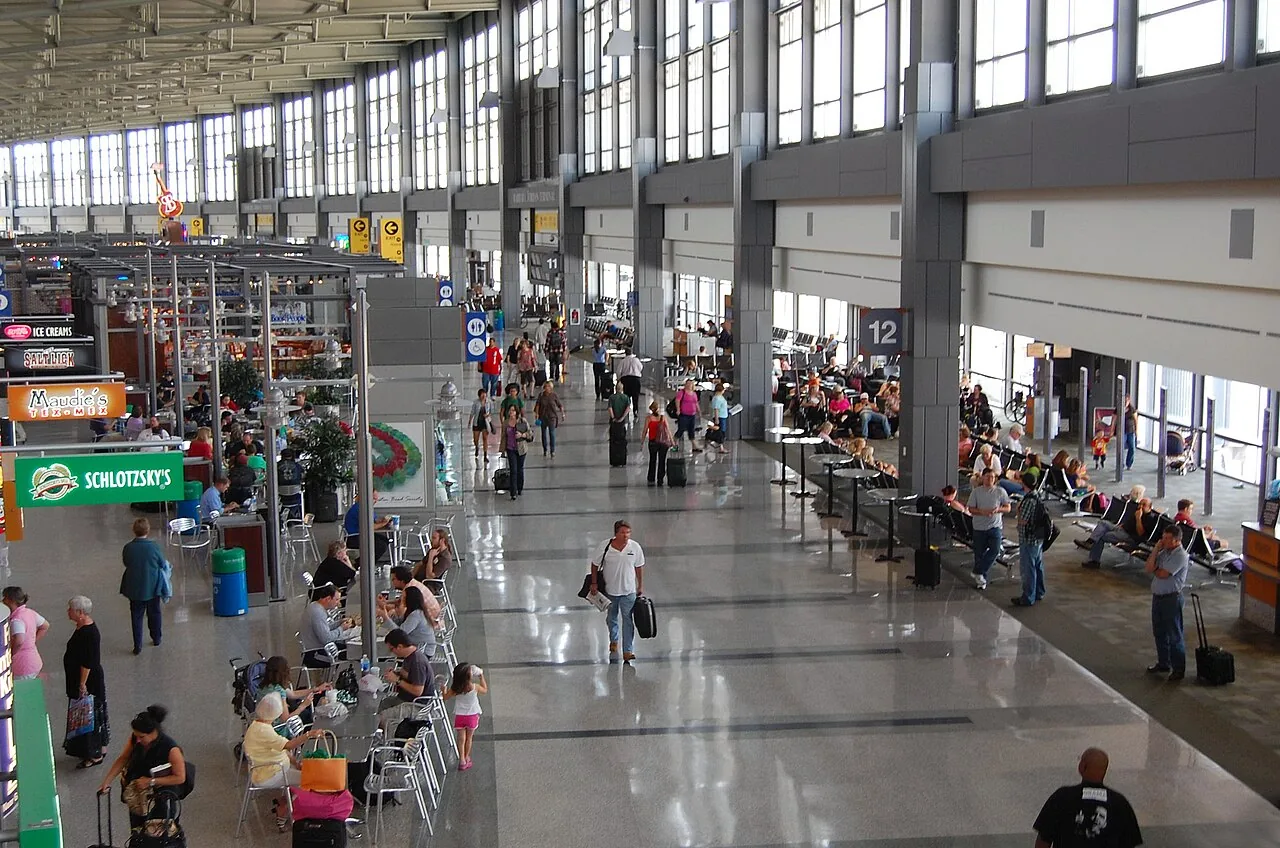
When Austin–Bergstrom opened on 23 May 1999, it reused the Air Force's main runway at 12,250 feet, among the longest commercial runways in the country. The Barbara Jordan Terminal was expanded during construction from a planned 18 gates to 24, covering 660,000 square feet.
Source: Wikipedia
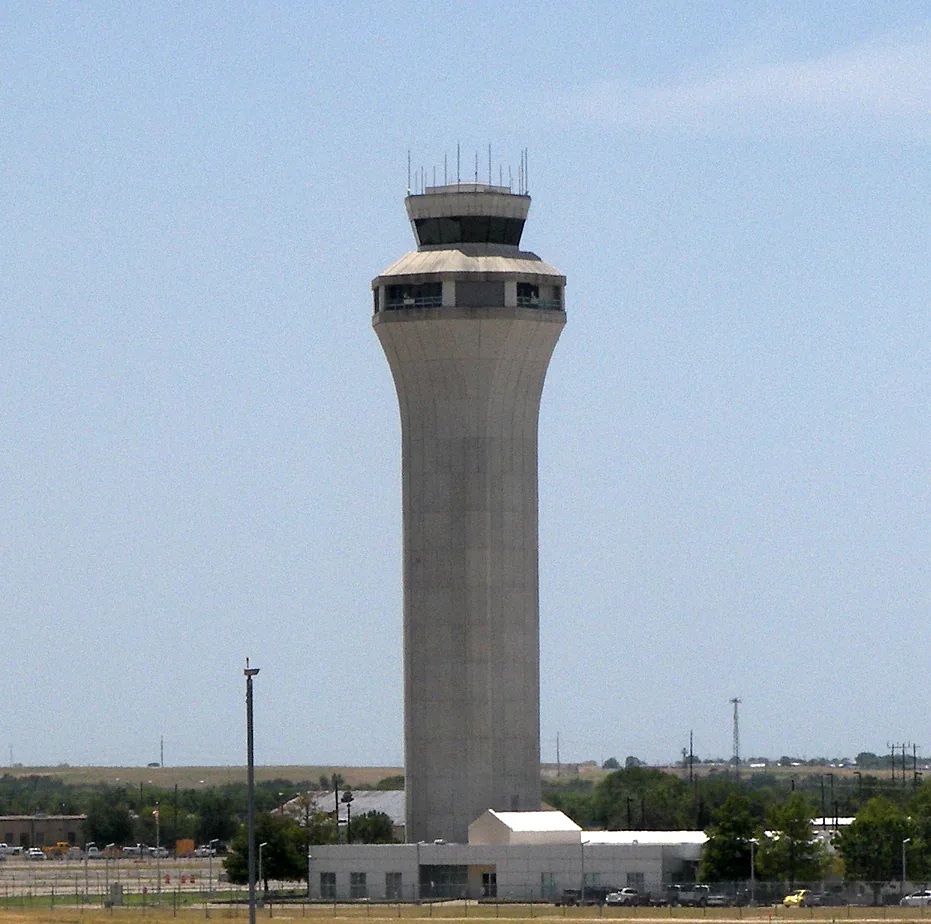
The airport's new 277-foot control tower, Austin's tallest primary building at the time, was completed a year before President Bill Clinton's arrival let Air Force One become the first aircraft cleared to land at the not-yet-opened airport.
Source: Wikipedia
Austin–Bergstrom covers 4,242 acres and is the third-busiest airport in Texas, after Dallas/Fort Worth and Houston's George Bush Intercontinental, ranking 27th busiest in the United States by passenger traffic.
Source: Wikipedia
In March 2014, British Airways inaugurated the airport's first scheduled transatlantic service, a nonstop flight to London Heathrow.
Source: Wikipedia