Zayed International Airport
Facts on AUH
Abu Dhabi's airport couldn't use the obvious code 'ABU' because it was already claimed by Haliwen Airport in Indonesia, so planners pulled letters from within the city's name -- Ab-U dHabi -- to create AUH.
Source: The National
The airport is named for Sheikh Zayed bin Sultan Al Nahyan, who ruled Abu Dhabi from 1966 and served as the United Arab Emirates' first president from its founding in 1971 until his death in 2004, driving the unification of the seven emirates and earning the title 'Father of the Nation.'
Source: Wikipedia
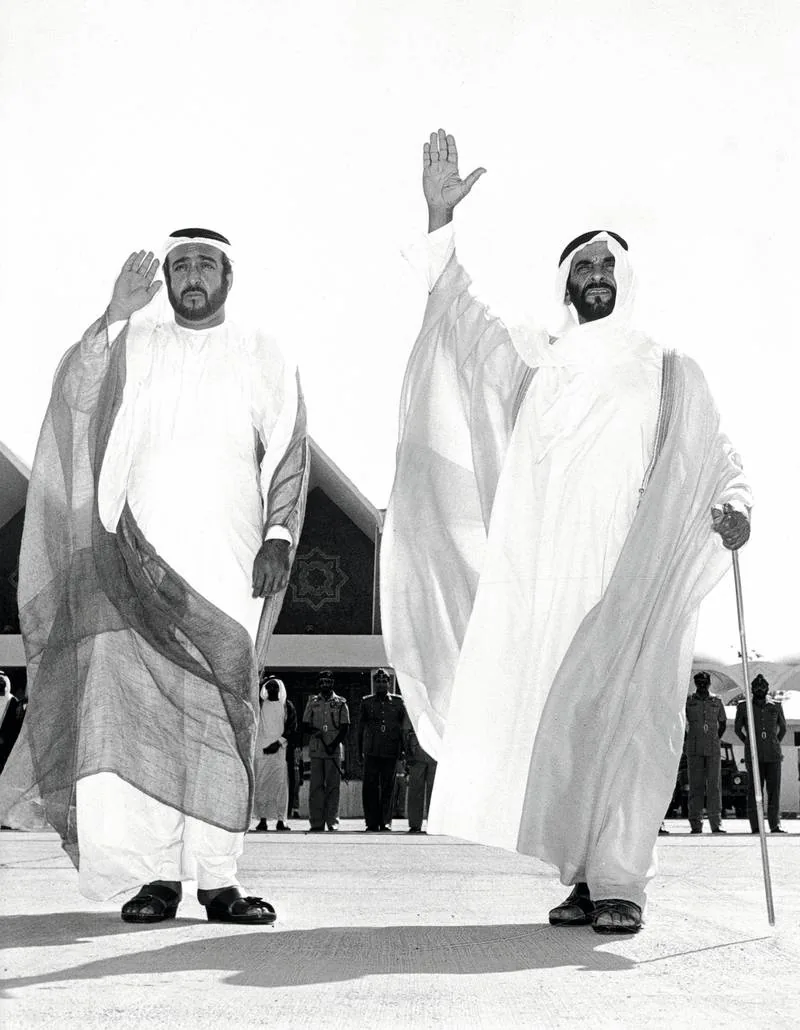
The airport is one of dozens of institutions carrying Sheikh Zayed's name worldwide, alongside Sheikh Zayed hospitals in Pakistan and Kosovo, a mosque in Stockholm, and Kukës International Airport in Albania -- a measure of how far his philanthropy and patronage reached beyond the UAE.
Source: Wikipedia
In 2024 the airport was renamed Zayed International Airport to honor Sheikh Zayed bin Sultan Al Nahyan, the UAE's founding father, but the code AUH -- rooted in the old name Abu Dhabi International -- was left unchanged.
Source: Wikipedia
The airport was inaugurated on 2 January 1982 after construction began in 1979, replacing Al Bateen (then called Abu Dhabi International), whose single-bridge access to Abu Dhabi Island had made it increasingly impractical as the city grew.
Source: Wikipedia
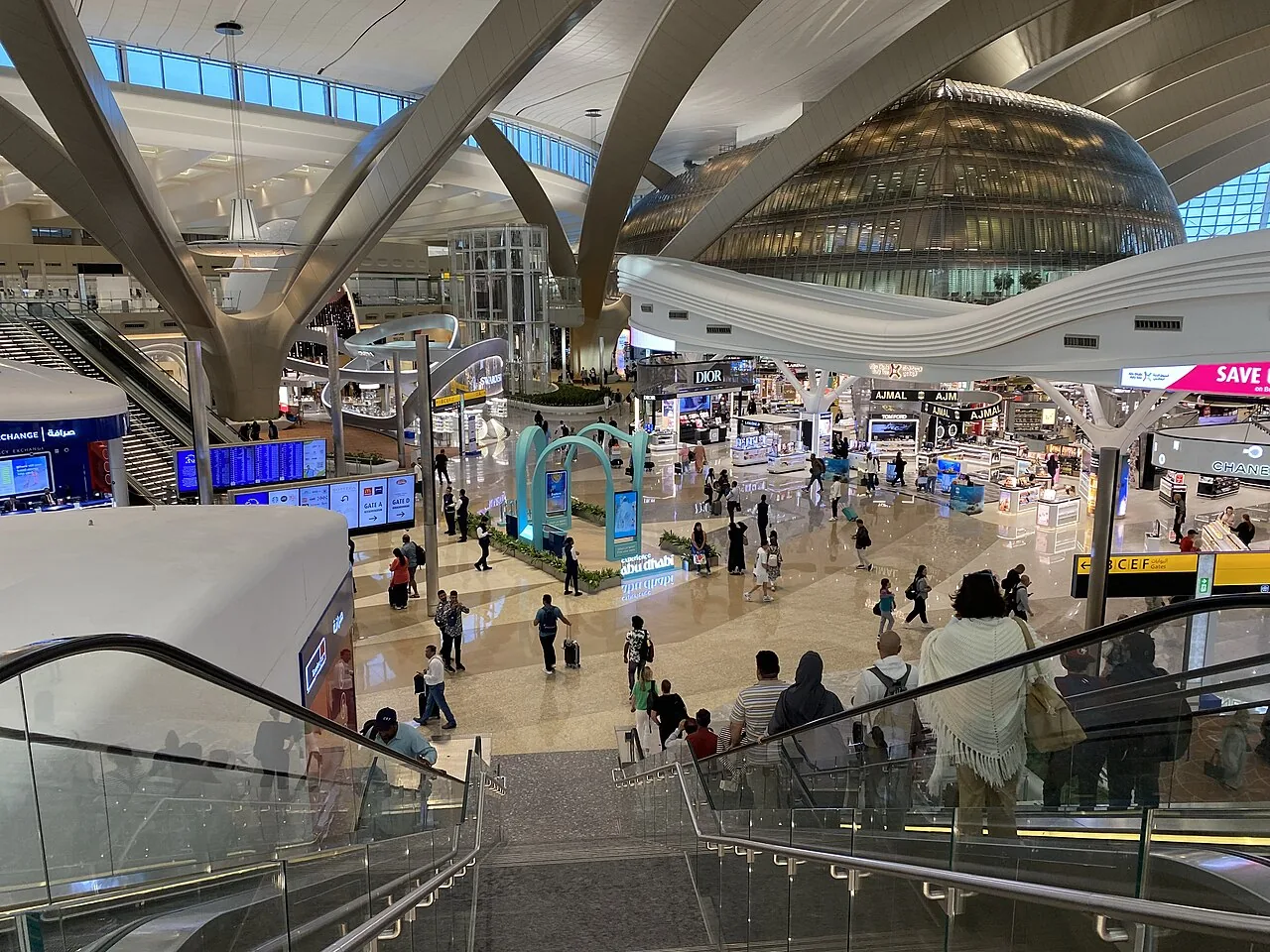
Terminal A, the airport's Midfield Terminal designed by Kohn Pedersen Fox Associates, covers more than 780,000 square metres, making it one of the largest airport terminal buildings in the world; it finally opened on 31 October 2023 after years of delay.
Source: Wikipedia
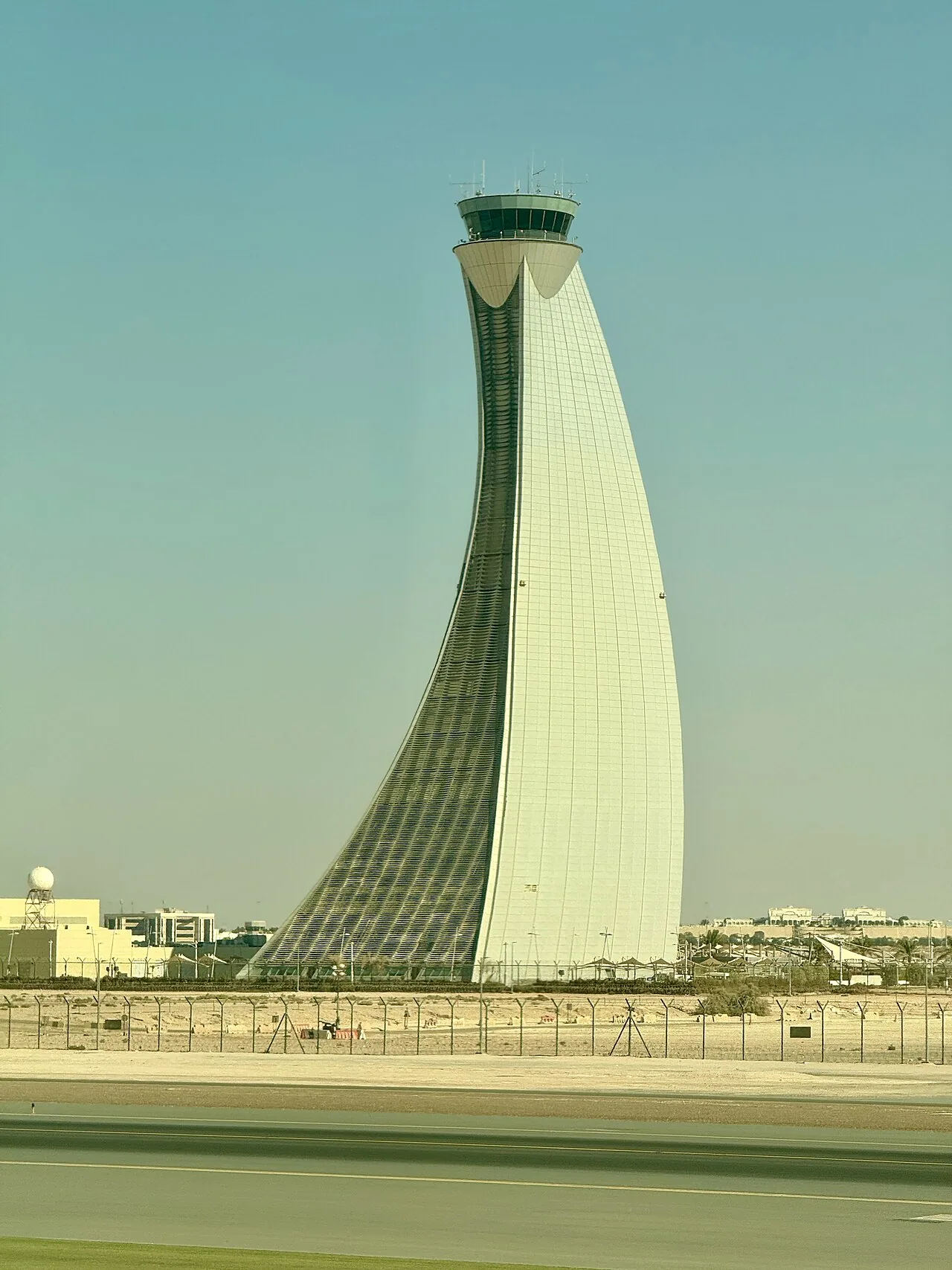
Terminal A lifted the airport's capacity to more than 45 million passengers a year, with room to expand to 60 million; it can handle 79 Airbus A380-type aircraft and 11,000 passengers during peak hours.
Source: Wikipedia
Since 26 January 2014, the airport has run a United States border preclearance facility -- the only one in the Middle East -- letting passengers on select US-bound flights clear customs before departure and land as domestic arrivals.
Source: Wikipedia
The airport sits about 16.5 nautical miles (30.6 km) east of Abu Dhabi and covers roughly 15,000 acres (6,000 hectares), served by 24 airlines flying to 128 destinations as of the mid-2020s.
Source: Wikipedia
On 25 October 1977, Emirati minister Saif Ghobash was shot dead at the airport by a Palestinian gunman during a failed attempt to assassinate Syrian foreign minister Abdul Halim Khaddam, one of several violent incidents in the airport's history.
Source: Wikipedia