Athens Eleftherios Venizelos International Airport
Facts on ATH
ATH is a hand-me-down code. It belonged to Ellinikon International Airport, which served Athens from 1938 until 28 March 2001; when the last Olympic Airways Boeing 737 left Ellinikon for Thessaloniki, the code travelled 20 km east to Spata along with the flights.
Source: Wikipedia
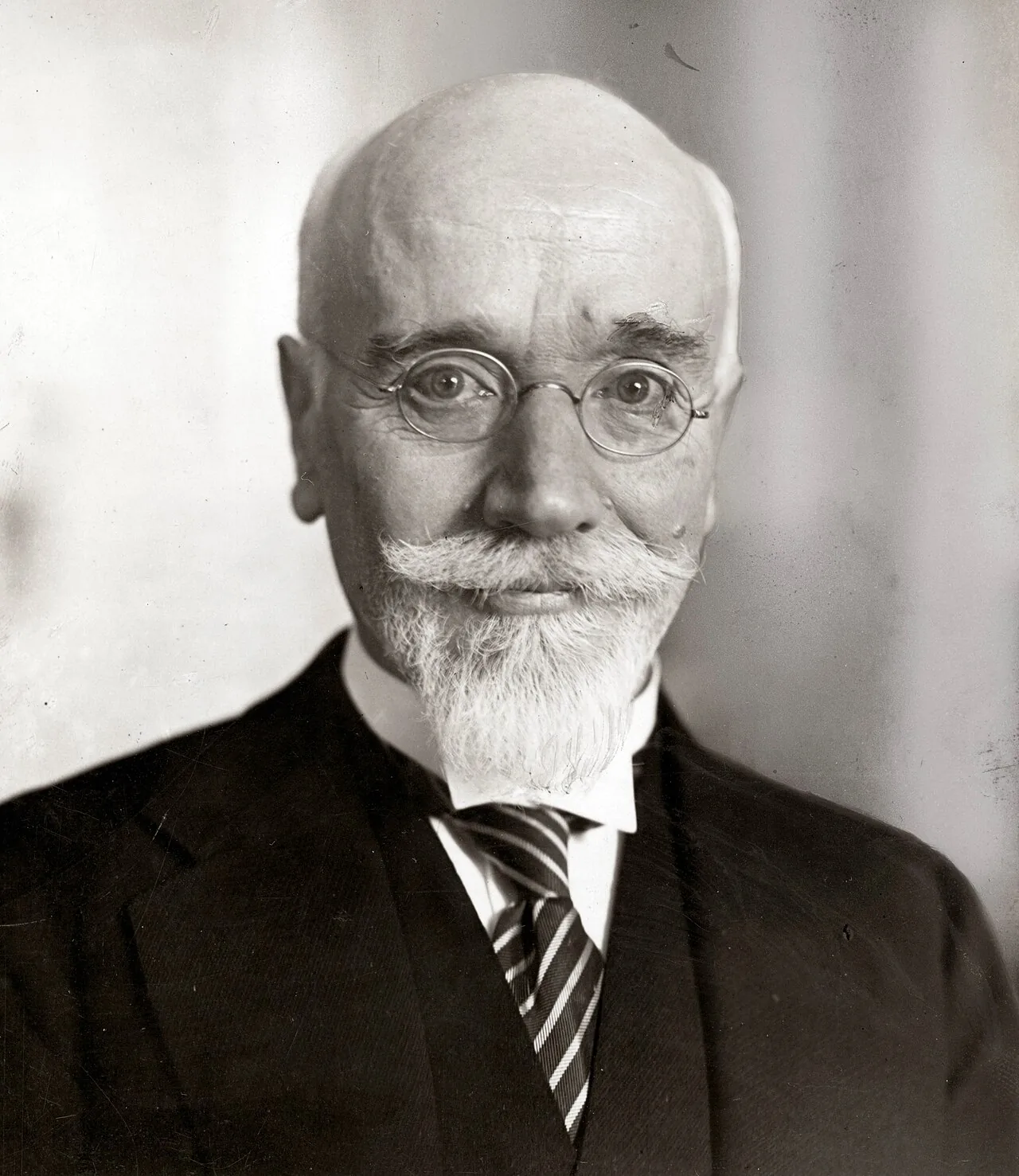
The airport honours Eleftherios Venizelos (1864–1936), born in Ottoman-ruled Crete and prime minister of Greece eight times between 1910 and 1933. He drove Crete's union with Greece, took the country into the Balkan Wars and the First World War on the Allied side, and is often called the maker of modern Greece.
Source: Wikipedia
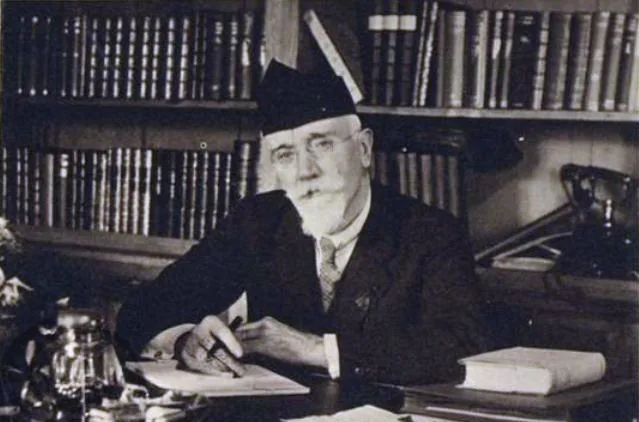
Naming the airport for Eleftherios Venizelos was not incidental. As prime minister, Venizelos created a Ministry of Aviation and worked systematically to organise Greek civil aviation, and the airport that opened at Spata on 28 March 2001 was given his name in his honour.
Source: Wikipedia (Greek)
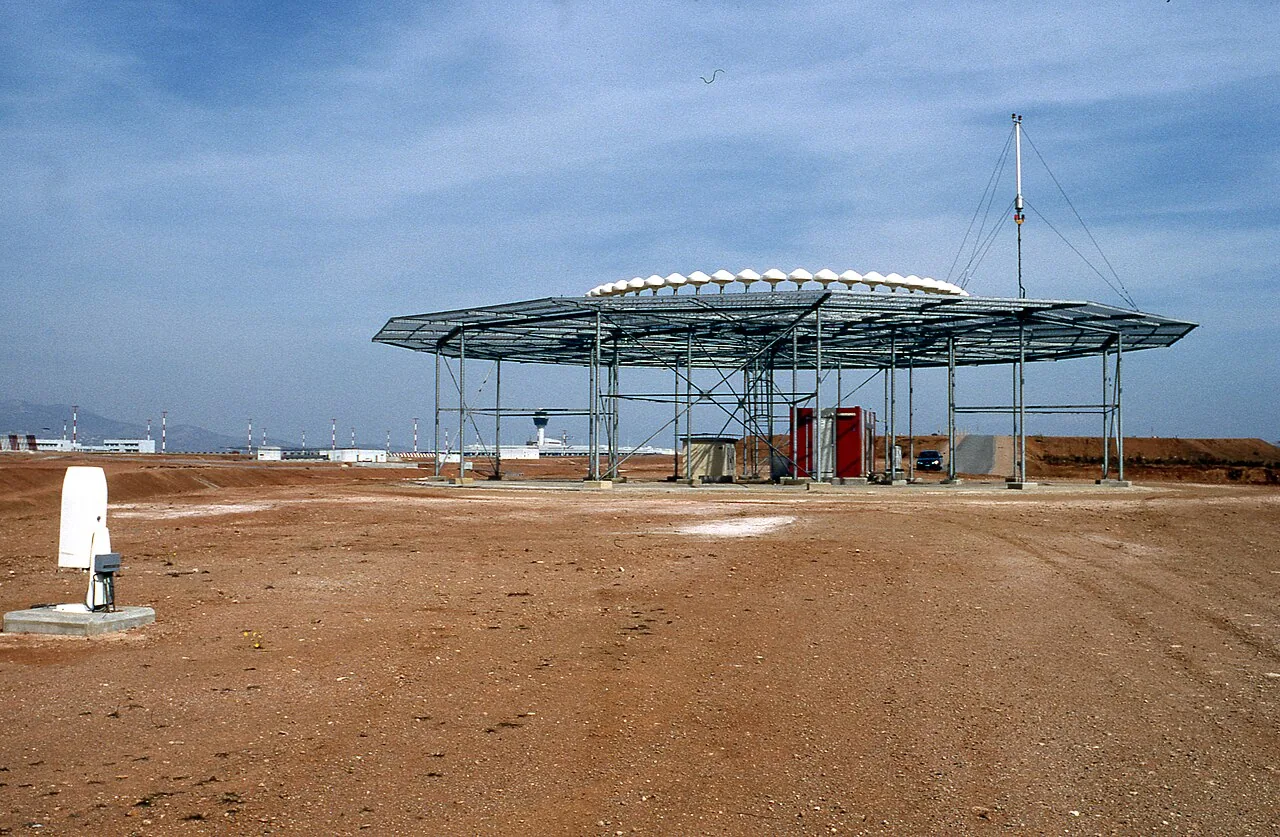
Planners looked at as many as 19 sites before settling on Spata. The airport was built under a public-private concession company formed in 1996 with a 30-year term, cost about €2.1 billion, and opened in March 2001, three years ahead of the Athens Olympics.
Source: Wikipedia
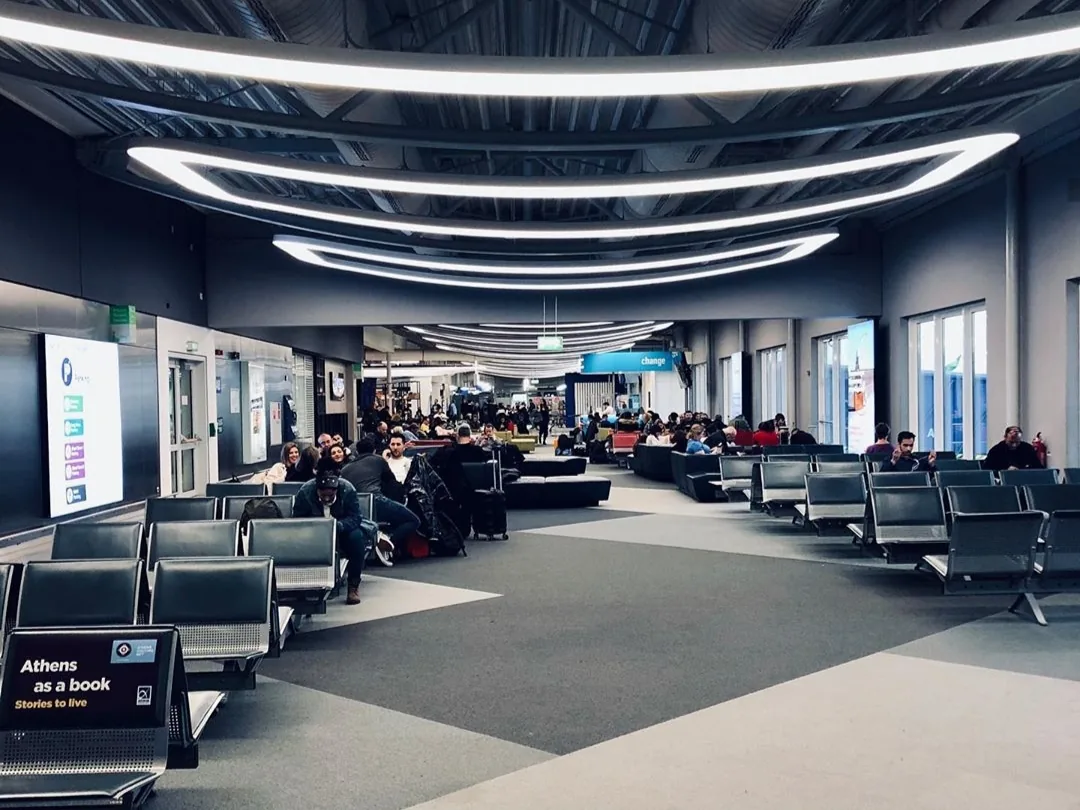
Digging for the airport turned up antiquities, and 177 of them are displayed in a small museum on Level 2 of the main terminal. The collection was established in 2003; the ground the runways sit on was flourishing farmland in antiquity.
Source: Wikipedia
The airport was laid out to be extended in six phases, with room on the site for five more terminals and an eventual capacity of 50 million passengers a year. The two parallel runways, 4 km and 3.8 km long, were sized from the start for that final load.
Source: Wikipedia
All 153 of the airport's check-in desks sit in the main terminal, which has fourteen jet bridges. A separate satellite terminal, good for six million passengers a year and equipped with ten more jet bridges, is reached by an underground link fitted with moving walkways.
Source: Wikipedia
The airport lies about 20 km east of central Athens, but 30 km by road because of the hills in between. A station immediately beside the terminal, reached by an elevated walkway, is served by both Athens Metro line 3 and the Proastiakos suburban railway.
Source: Wikipedia
Two robots named Hercules and Ulysses handle potentially dangerous materials at the airport. They were donated by the Stavros Niarchos Foundation. The Greek Air Accident Investigation and Aviation Safety Board is also based on the airport site.
Source: Wikipedia