Stockholm-Arlanda Airport
Facts on ARN
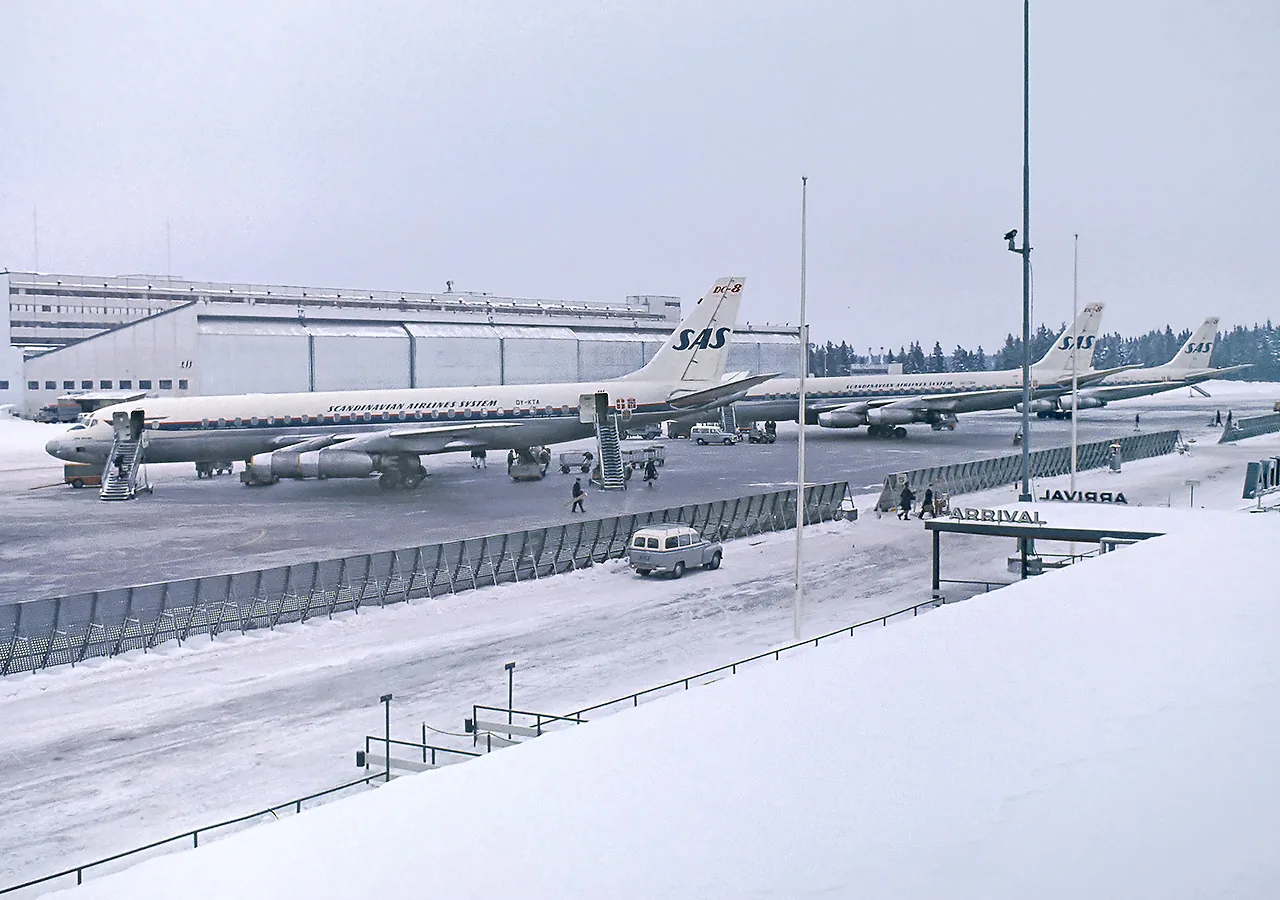
The first aircraft to land on runway 1 touched down at 13:59 on 14 December 1959: an SAS Caravelle flown over from Bromma by captain Axel Oldne. The field opened to traffic on 5 January 1960, and an SAS DC-8 left on the first scheduled service to New York that June.
Source: Wikipedia (Swedish)
Arlanda takes its name from Ärlinghundra, the medieval hundred the airport sits in. A document of 1316 calls the district provincia Aarland, roughly "the area of arable land". Place-name scholar Lars Hellberg proposed "Arland"; a jury softened it into Arlanda.
Source: Wikipedia (Swedish)
A naming competition was run in 1958 by the magazine Året Runt, but the jury rejected every entry submitted and put forward Arlanda instead. The Swedish parliament fixed the name Stockholm-Arlanda flygplats that same year, four years before the airport was formally inaugurated.
Source: Wikipedia (Swedish)
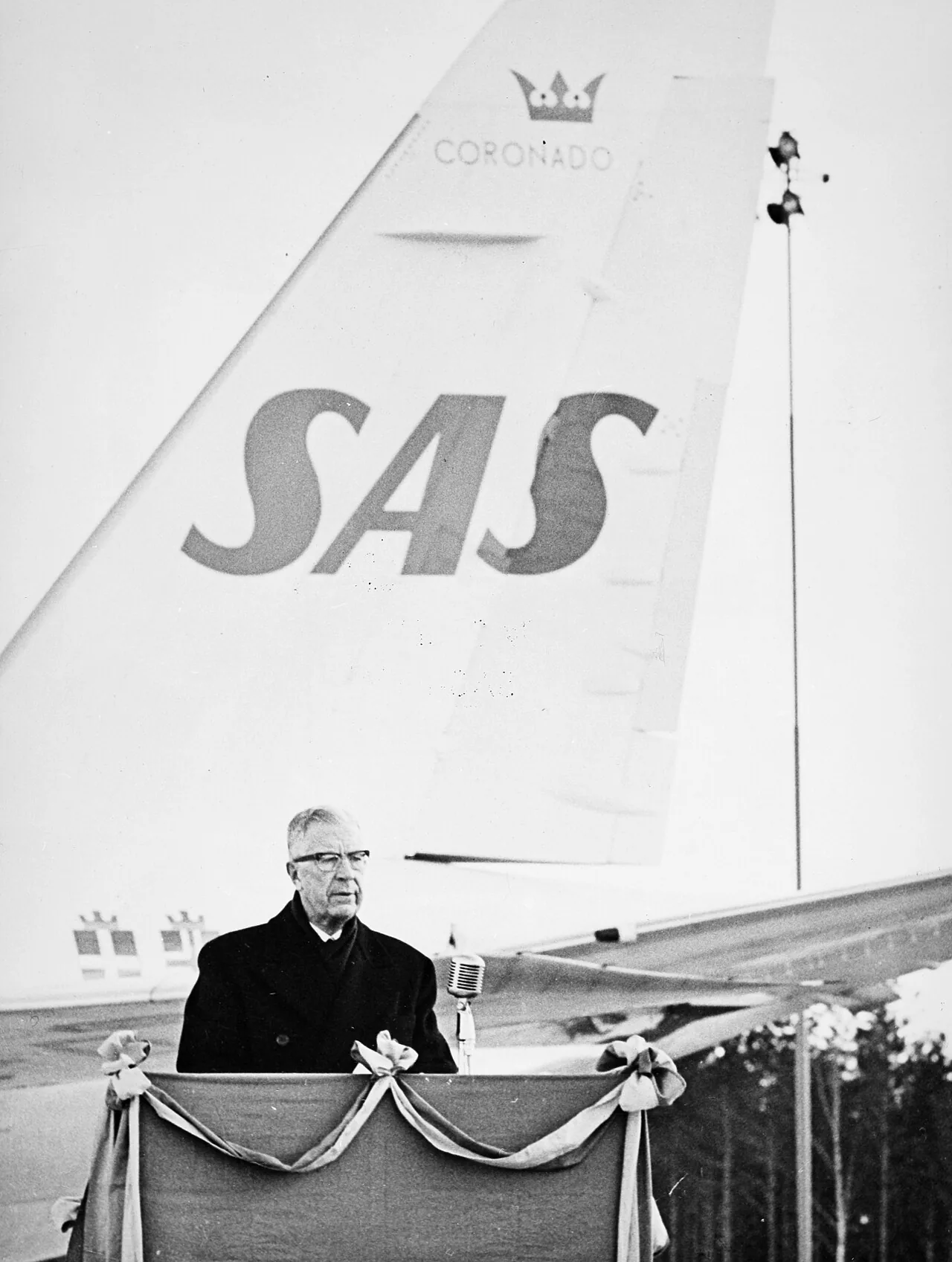
King Gustaf VI Adolf officially inaugurated Arlanda on 1 April 1962, the day international traffic moved out of Bromma. The first celebrity to fly from the new airport was Greta Garbo, who left for the United States at 00:15 that same morning.
Source: Wikipedia (Swedish)
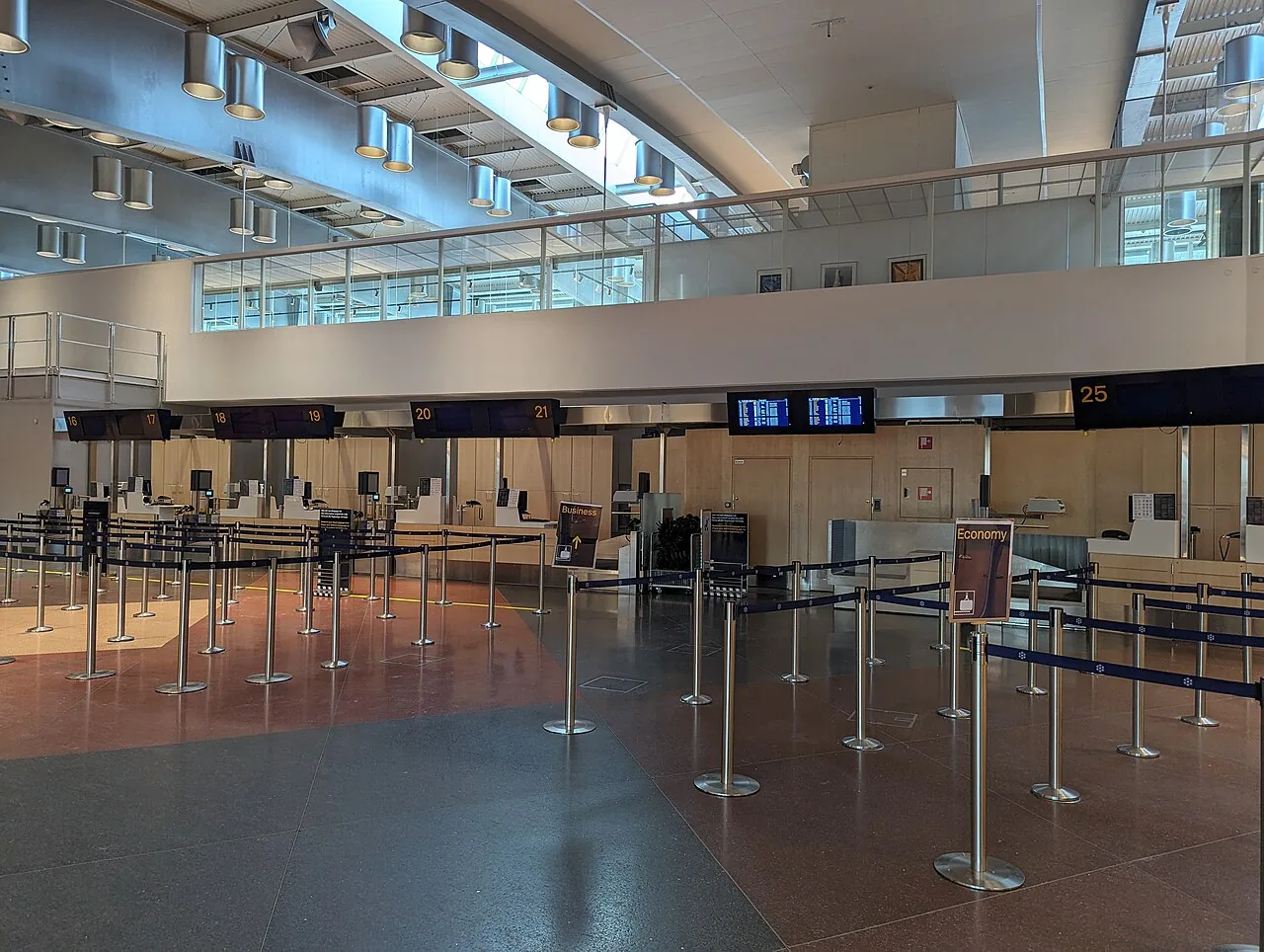
Arlanda has terminals numbered 2, 3, 4 and 5, and has never had a Terminal 1. The number was reserved for a building planned just south of Terminal 2 that was never built; the current numbering dates from a 1992 renaming of the old domestic and international halls.
Source: Wikipedia
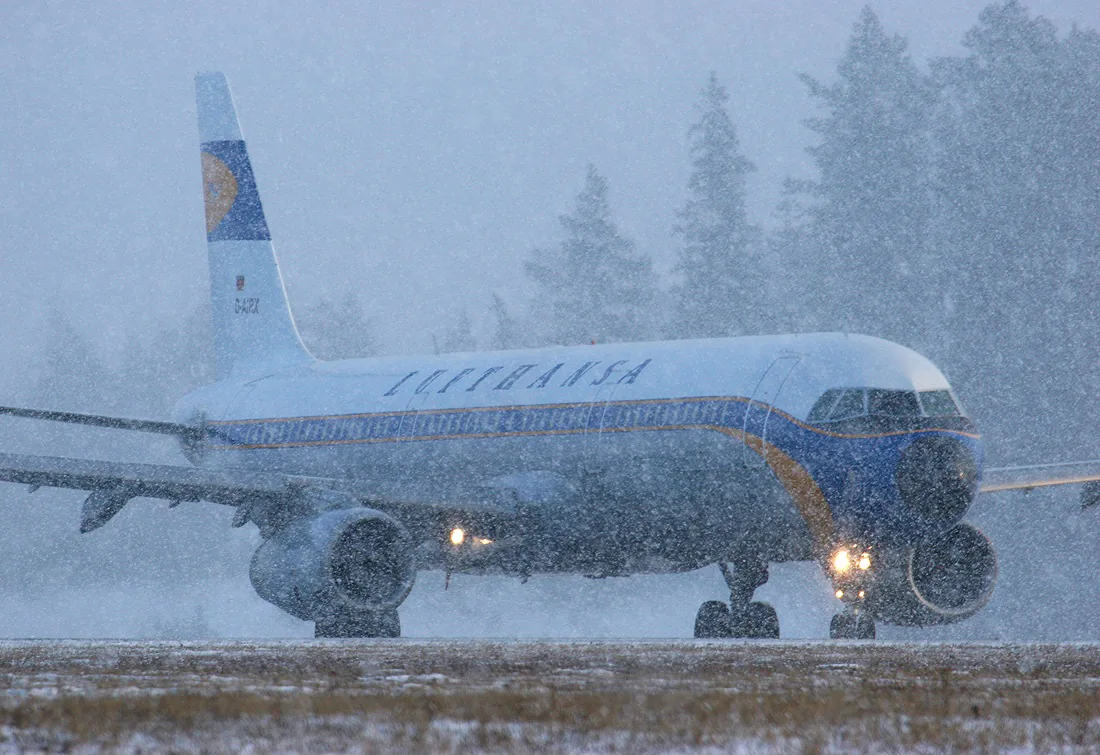
Arlanda's policy is never to close because of snow. It is exposed to lake-effect snowfall off the Baltic and has some 250,000 square metres of runway and apron to keep clear, worked by about 100 people in winter — around 65 of them seasonal hires — on 35-to-45-minute sweeping cycles.
Source: Wikipedia
The terminals and hangars are heated and cooled from an underground aquifer. Wells draw water that is cooler than the surface in summer and warmer in winter, then return it underground. The same water warms concrete pads on the ramp, keeping hangar doors and stands free of ice.
Source: Wikipedia
Three runways serve Arlanda: runway 1 is 3,301 m (10,830 ft), while runways 2 and 3 are each 2,500 m (8,202 ft). Runways 1 and 3 are parallel and spaced far enough apart to be worked independently, so take-offs and landings can run simultaneously in instrument conditions.
Source: Wikipedia
On 27 December 1991 an SAS MD-81 lost both engines shortly after take-off from Arlanda when clear ice, formed overnight and missed by de-icing, broke away and was swallowed by the engines. The crew put the aircraft down in a field; all 129 people aboard survived.
Source: Wikipedia