Málaga-Costa del Sol Airport
Facts on AGP
AGP breaks the pattern Spanish codes usually follow — MAD, BCN, SVQ, GRX all echo the city's name. When Costa del Sol was added in 2011, tourism officials proposed swapping the code for SOL, but SOL was already assigned to another airport, so AGP stayed.
Source: Wikipedia (Spanish)
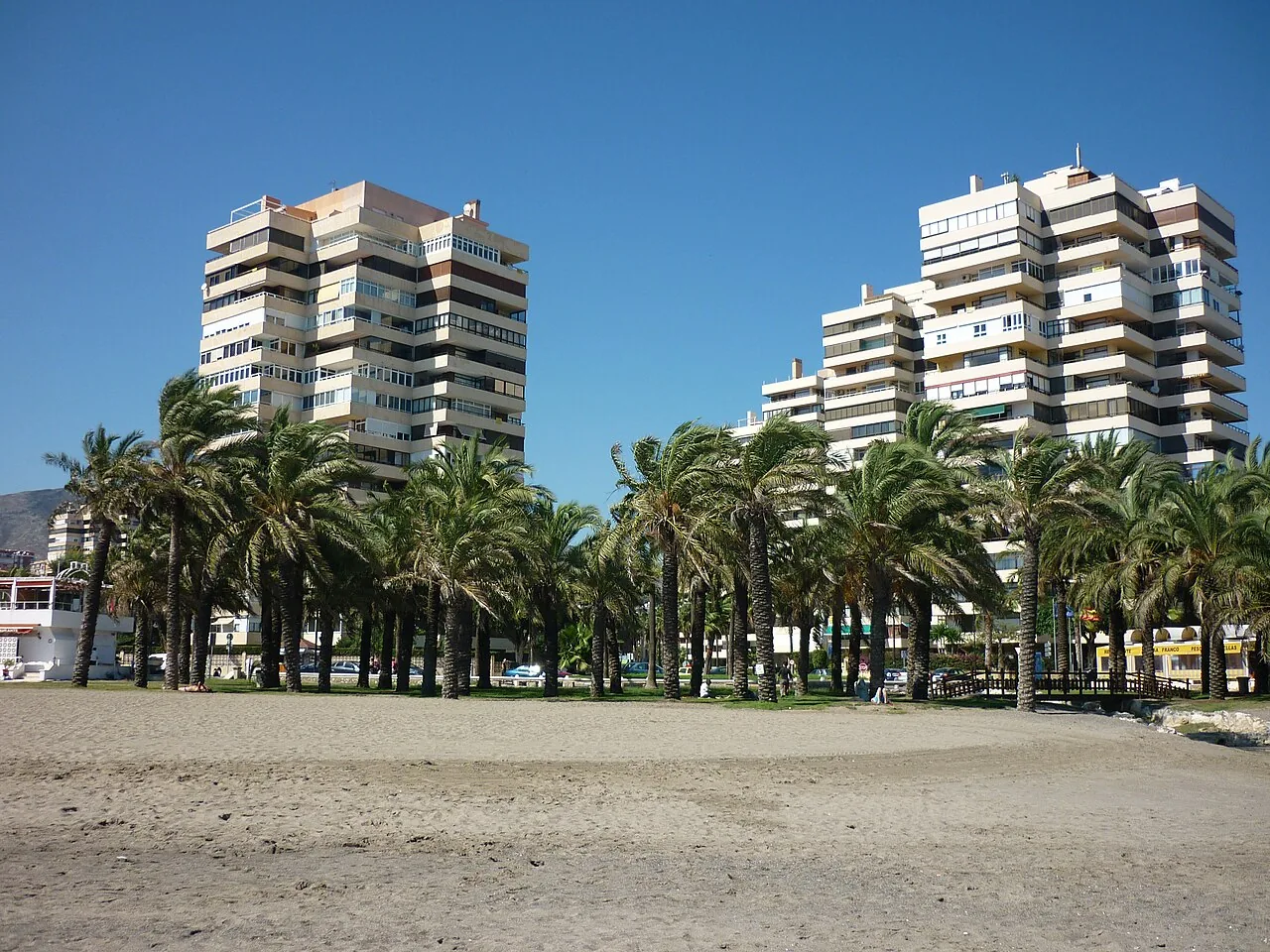
The second half of the airport's name, "Costa del Sol", means Coast of the Sun, and it started as advertising: Rodolfo Lussnigg coined the phrase early in the 20th century to sell the Almería coastline. Until the late 1960s it covered the whole Mediterranean shore of eastern Andalusia, not just Málaga's stretch.
Source: Wikipedia
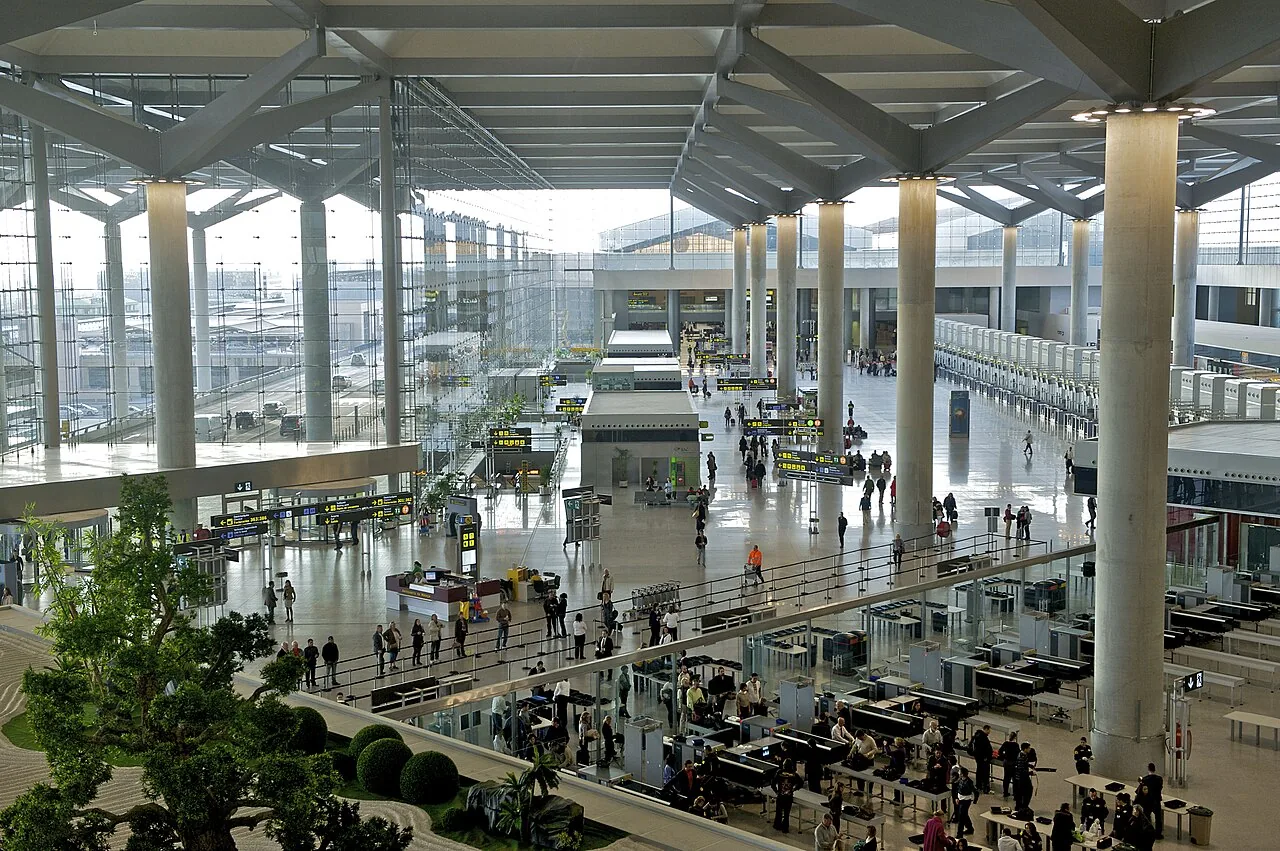
The airport was plain "Aeropuerto de Málaga" until 6 June 2011, when the transport ministry, pressed by Málaga's city council, added Costa del Sol to the title. The change took a few more weeks to reach the aeronautical publications, on 30 June.
Source: Wikipedia (Spanish)
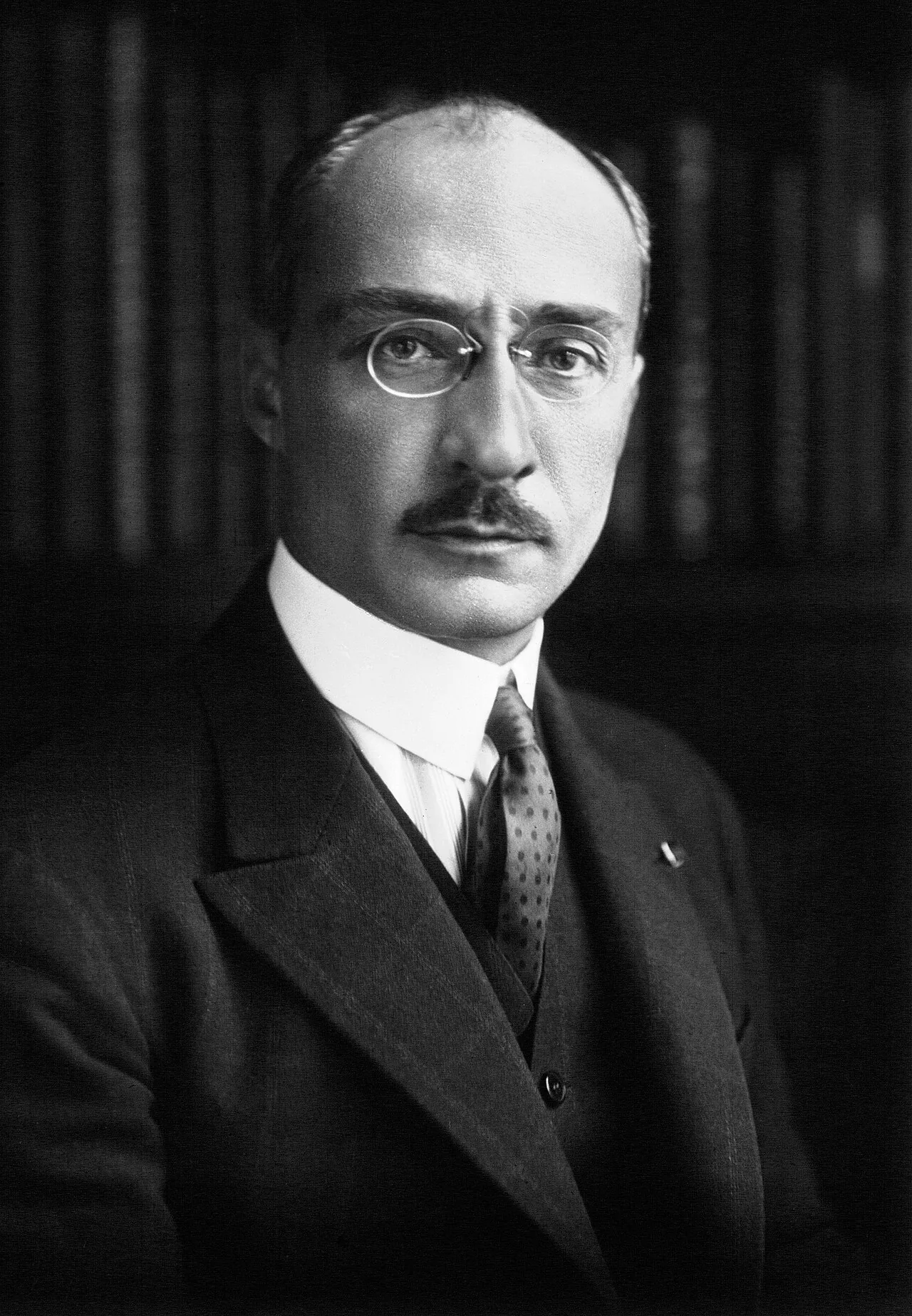
On 9 March 1919 a Salmson 2A2 put down on a plot called El Rompedizo carrying Pierre Latécoère, who wanted an airline linking France to its colonies through Spain. On 1 September, Didier Daurat — the field's first director — opened the Toulouse–Casablanca mail service.
Source: Wikipedia (Spanish)
Three Spanish airports served that first 1919 Toulouse–Casablanca route. Málaga is the only one still operating, and has never moved from its original site — which makes it the dean of Spain's airports, older than the country's air travel industry itself.
Source: Wikipedia (Spanish)
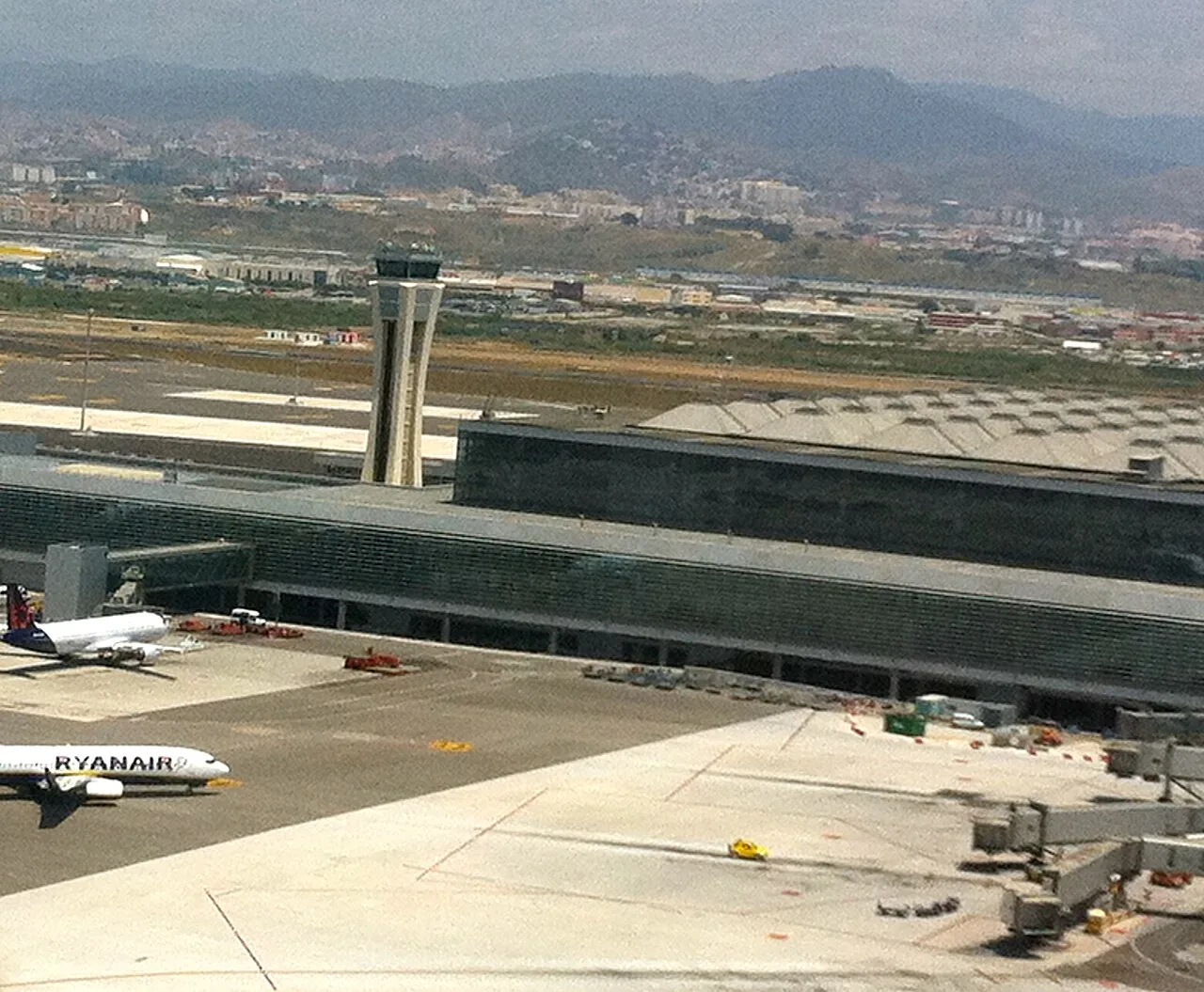
Terminal 2, opened on 30 November 1991, is officially the Pablo Ruiz Picasso terminal — Picasso was born in Málaga — and was designed by Ricardo Bofill Taller de Arquitectura, built to work in tandem with the older passenger building beside it.
Source: Wikipedia
Terminal 3, designed by Bruce S. Fairbanks and opened by King Juan Carlos on 15 March 2010, covers 250,000 square metres — more than twice Terminal 2 — with 86 check-in counters and twelve baggage carousels, lifting capacity to 30 million passengers a year.
Source: Wikipedia
The second runway, 12/30, opened in June 2012 across the Guadalhorce river delta, where the prevailing winds run along its axis. It lies 14 degrees off the older runway, so one can take departures while the other takes arrivals — but the pair can't be worked simultaneously for both.
Source: Wikipedia (Spanish)
Málaga is the front door to Andalusian tourism: it carries around 80 percent of the region's international traffic and reached 24,923,774 passengers in 2024, ranking fourth in Spain behind Madrid, Barcelona and Palma de Mallorca.
Source: Wikipedia (Spanish)